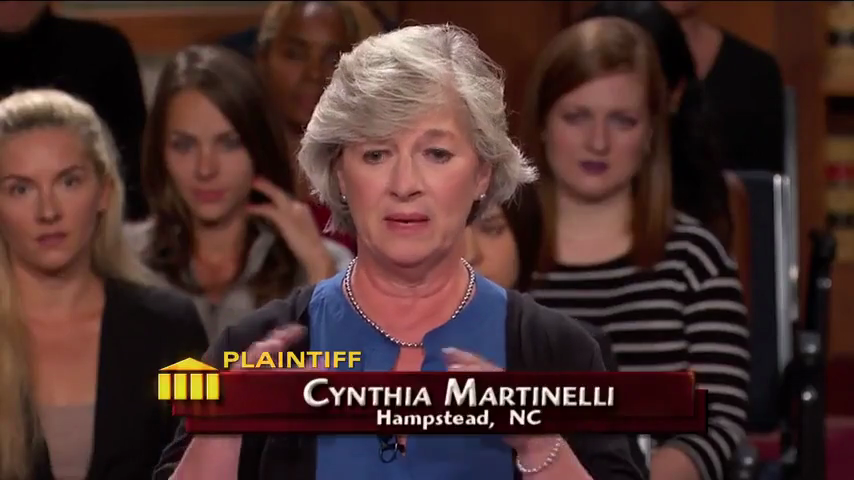
The bathroom renovation was supposed to cost $100. Instead, Cynthia Martinelli was left with an unfinished vanity, allegations of damaged walls and a growing trail of calls, texts and Facebook warnings. By the time she faced handyman Matthew Lewis in court, the dispute included his criminal past and a dismissed request for protection. But the claim began to collapse over something smaller: a boxed marble top Cynthia said he dropped—although she admitted she never saw it happen.
The $60 Job That Built Trust
Cynthia Martinelli first noticed Matthew Lewis while he was cleaning gutters at a neighbor’s home. She liked what she saw and hired him to perform the same work at her house for $60—a price far below another estimate she had received.
That first job ended without conflict. Cynthia told the court she was satisfied, and the successful gutter work created the trust that led to a more complicated assignment inside her home.
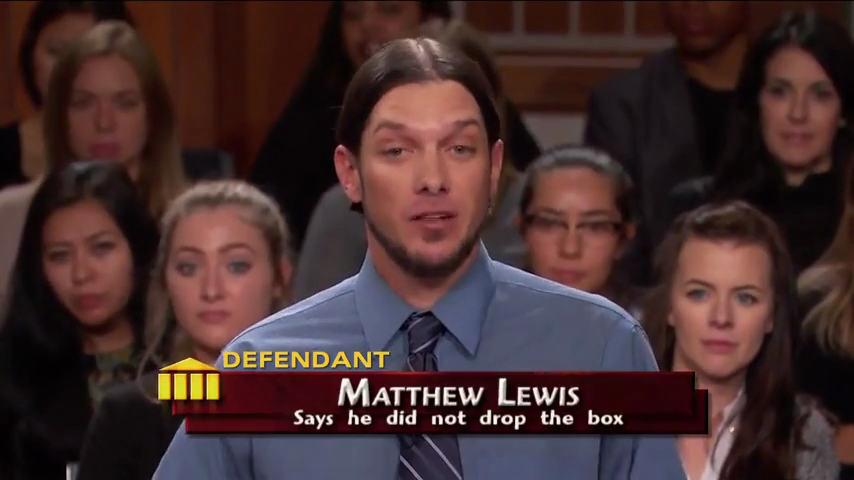
The progression mattered. Matthew was not introduced as a plumber whom Cynthia had hired through a licensed firm or detailed contract. He was a handyman she had observed on a ladder, then tested on a small job. When she asked whether he could remove an old bathroom vanity and install a new sink-and-vanity unit, he said he could.
They agreed on $100.
A $100 Deal for a Bathroom Vanity
The new vanity was stored in Cynthia’s garage. For the agreed fee, Matthew was expected to remove the old unit, carry in the replacement and complete the installation, including the required plumbing connections.

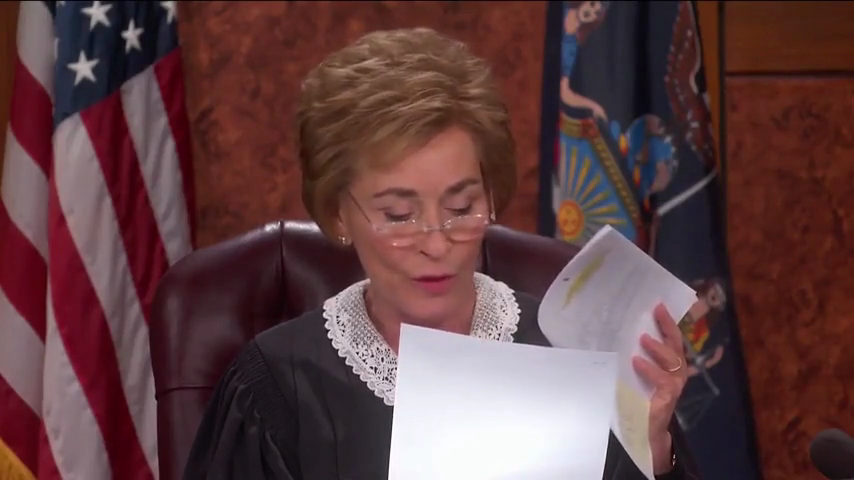
Judge Judy Sheindlin immediately focused on the size of the bargain. A plumber might have charged five or six times as much, she observed. Cynthia had chosen a dramatically cheaper arrangement and later sued for a refund, property damage and lock-change fees.
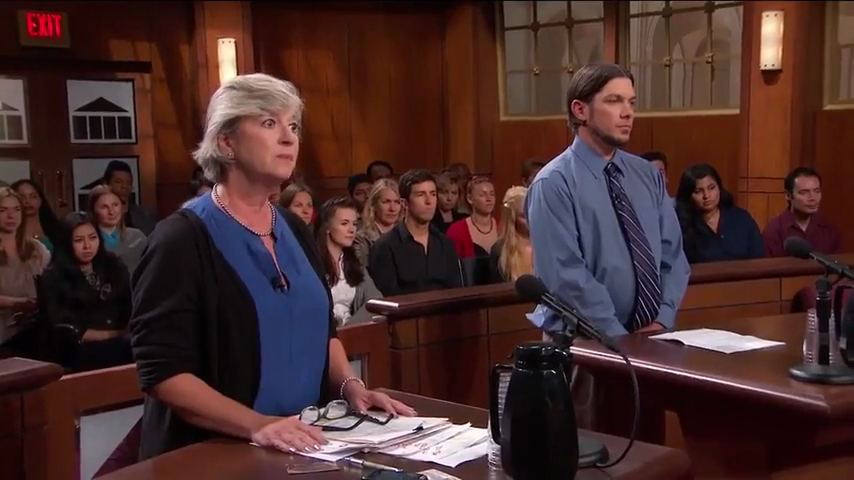
The work did begin. Matthew disconnected and removed the old vanity. Because Cynthia planned to donate it, he said he placed it neatly in the garage. He also moved the replacement unit into the bathroom.
The first major dispute concerned what he found inside its unopened box.
The Cracked Marble Top and a Changing Account
Cynthia said the vanity and marble top came together in one large, heavy box purchased from Home Depot. She and her daughter had transported it home without opening it. Cynthia said she offered Matthew a dolly, but he insisted he could carry the box himself. In her first account, he brought it inside, dropped it and broke the marble top.
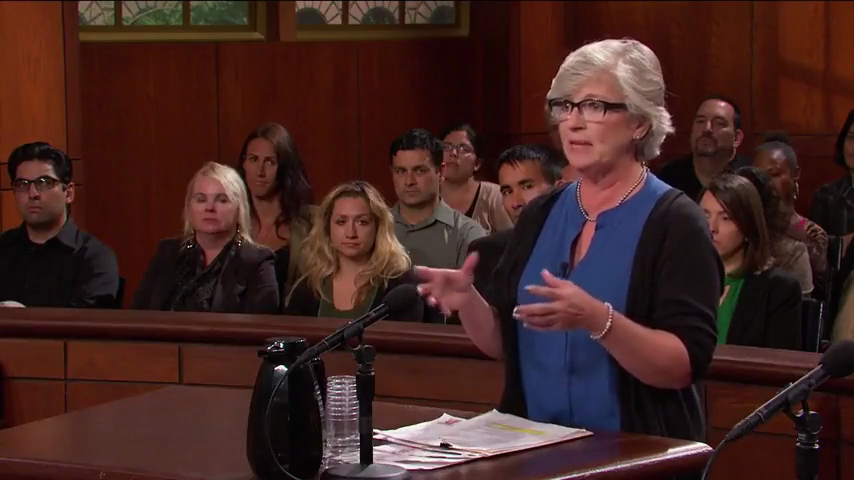
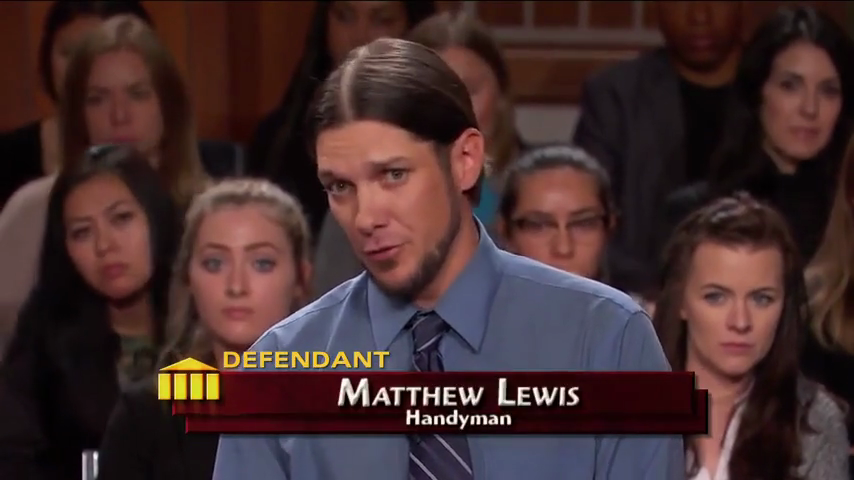
Matthew denied dropping the box. He said he heard something loose rattling as he carried it and warned that the sound was not good. When the box was opened, one corner lacked its foam insert and the top was already chipped or cracked. He said Cynthia was beside him when the damage was discovered.

Under repeated questioning, Cynthia acknowledged that she had not seen Matthew drop the box. She then described him placing it on the floor. The judge treated the change as a decisive credibility problem: setting down a box was not proof that Matthew had broken what was inside.

Home Depot replaced the damaged unit at no cost. The judge inferred that Cynthia had told the retailer the top arrived broken in its packaging; otherwise, the store would have had no reason to accept responsibility. That account could not easily coexist with her courtroom allegation that Matthew caused the damage.
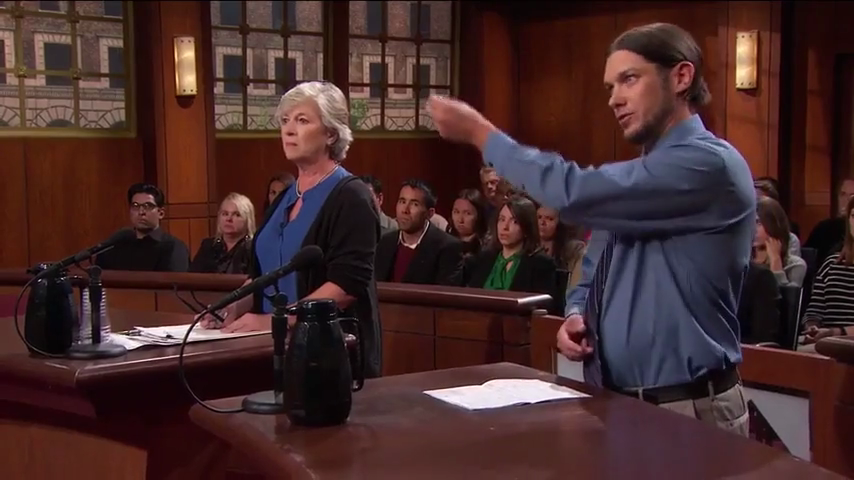
At that point, the marble claim had lost its foundation.
Why the Installation Stopped
The replacement vanity created another delay. Matthew said the old plumbing setup had been soldered in place and the new unit lacked connectors running from the sink to the hot- and cold-water outlets. Cynthia agreed that she did not have the necessary pieces.
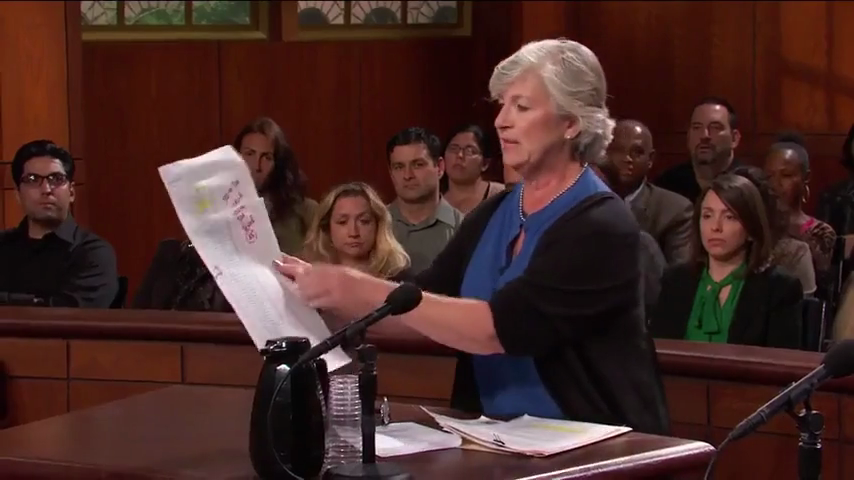
She returned to a store—Lowe’s was named in the testimony—to obtain the missing pipe or connectors. By the time she had them, Matthew was not prepared to work through the evening. He said he intended to return another day.

The exact timing of the $100 payment and the work was not resolved cleanly in the transcript. Cynthia placed events in the late afternoon; Matthew said she paid him on a Sunday and that the job began Monday. What both accounts established was that he had been paid, had removed and stored the old vanity, had moved the replacement into the bathroom and had stopped because the required plumbing components were unavailable.

Cynthia later said Matthew wanted more money before returning. The judge viewed that request in the context of a one-day bargain that had expanded through a broken first unit, a replacement trip and missing plumbing parts. Matthew had already spent more time on the project than the original $100 arrangement appeared to anticipate.
Calls, Texts and an Unproven Damage Claim
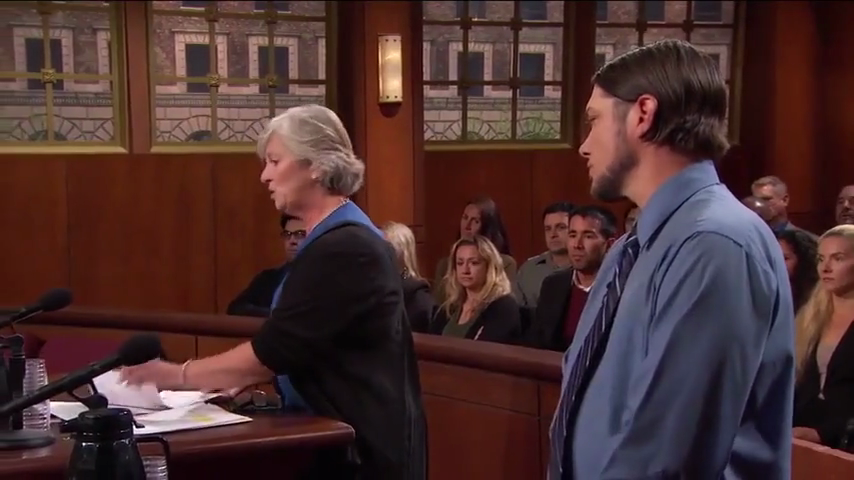
Communication deteriorated after Matthew left. Cynthia produced phone records reflecting dozens of texts and calls, but she could not show the court the content of the messages. She said her basic phone did not allow her to provide them and described a series of excuses and emergencies that prevented Matthew from coming back.

Matthew told a different story. He said he sent three messages offering to return the next day between 11 a.m. and 1 p.m. He also lacked the messages, explaining that he did not save texts and could not obtain copies from his carrier.
Without the words themselves, the call logs could prove contact but not what either person promised.
Cynthia hired others to finish or repair the bathroom and sought $1,049 from Matthew. She said walls and baseboards had been damaged or removed, yet none of the people who later worked on the project appeared as an expert witness. The judge found no reliable evidence connecting the claimed damage to negligent work by Matthew.

The Gunshot-Scar Allegation
The dispute then moved beyond workmanship. Cynthia said Matthew had behaved inappropriately with her daughter by lifting his shirt and showing her gunshot wounds, making the daughter uncomfortable.
Matthew supplied context Cynthia had not included. He said the daughter first showed him a scar from knee surgery. He responded by showing a scar on his chest, explaining that he had also been injured.
Cynthia initially insisted there was no scar on her daughter’s knee. Under questioning, however, she acknowledged that her daughter had undergone knee surgery. The judge considered it implausible that Matthew would know about the surgery unless the daughter had discussed it with him. That exchange further damaged Cynthia’s credibility, even though the transcript does not independently establish what the daughter felt during the conversation.
From Facebook Warnings to a Protective Order
After hearing about the scar exchange, Cynthia went to Facebook and asked whether anyone had experience with Matthew. She said she quickly received 20 or 30 responses warning her about him, including references to his prison history and criminal charges.

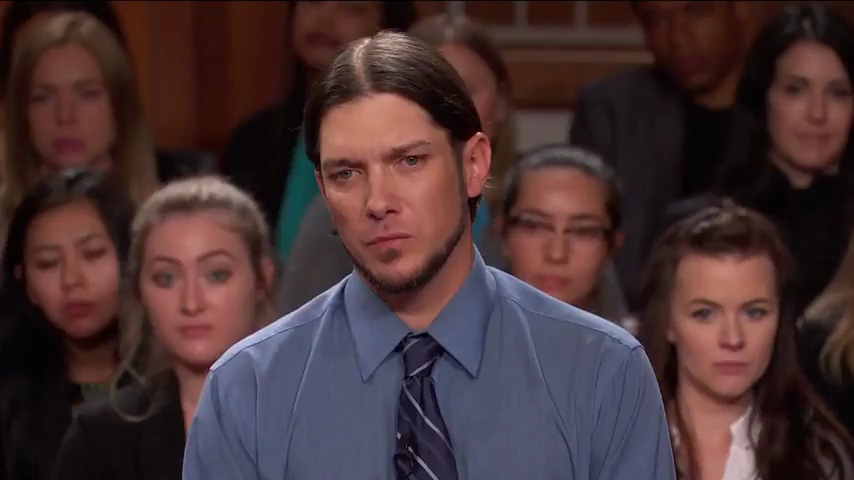
Matthew did not conceal that past in court. He testified that he served 13 months in prison from April 2013 into 2014 and later spent one night in custody for a probation violation. He said that after being shot once, he fell into drug use and serious trouble, leaving him with what he described as a bad reputation.
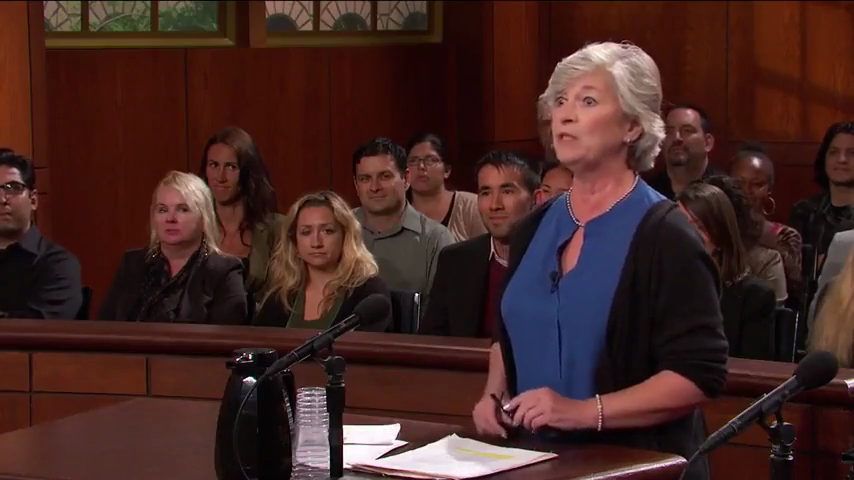
Those admissions were relevant to the social-media campaign but did not prove Cynthia’s claims about the vanity job. A prior conviction could not substitute for evidence that Matthew broke the marble, damaged the bathroom or refused to complete the agreed work.
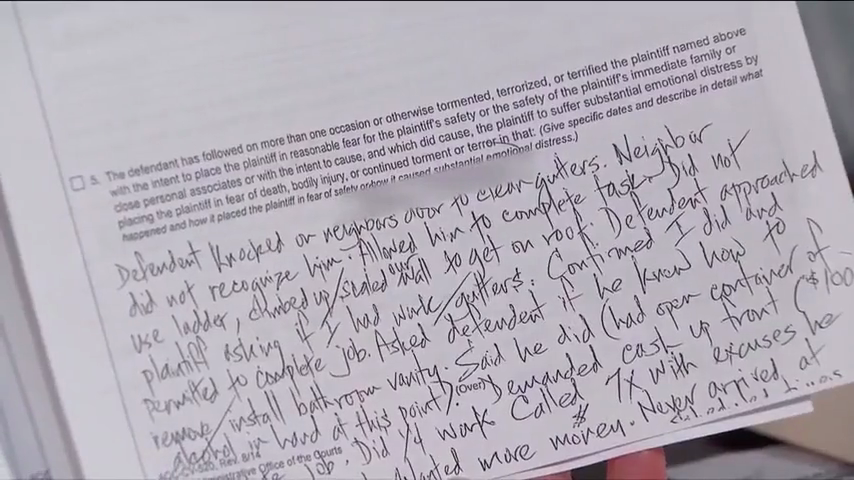
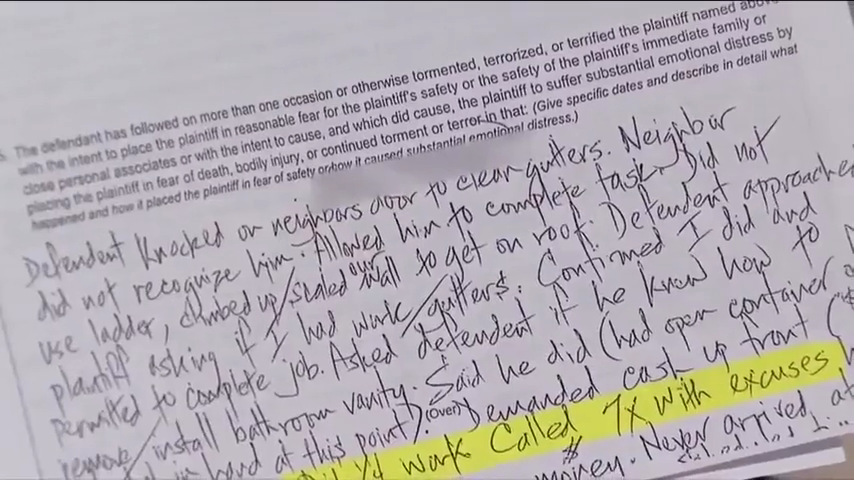
Cynthia also sought a protective order. The application alleged, among other things, that Matthew had approached homes for gutter work, possessed an open container of alcohol, demanded $100 in advance, completed only part of the vanity job, repeatedly offered excuses and sought more money. Matthew appeared for the hearing. Cynthia did not; she said she had been told she did not need to attend. The application was dismissed.

Why Matthew Lewis Received $800
Matthew counterclaimed over the allegedly false restraining order, lost wages, harassment and statements he said were harming his ability to earn money. The judge was especially critical of the protective-order application after identifying multiple contradictions in Cynthia’s testimony.
The final result reversed the financial direction of the case. Cynthia’s $1,049 claim was dismissed. Matthew received an $800 judgment on his counterclaim, tied in the courtroom discussion to the dismissed protective-order proceeding and the work time he lost by appearing.
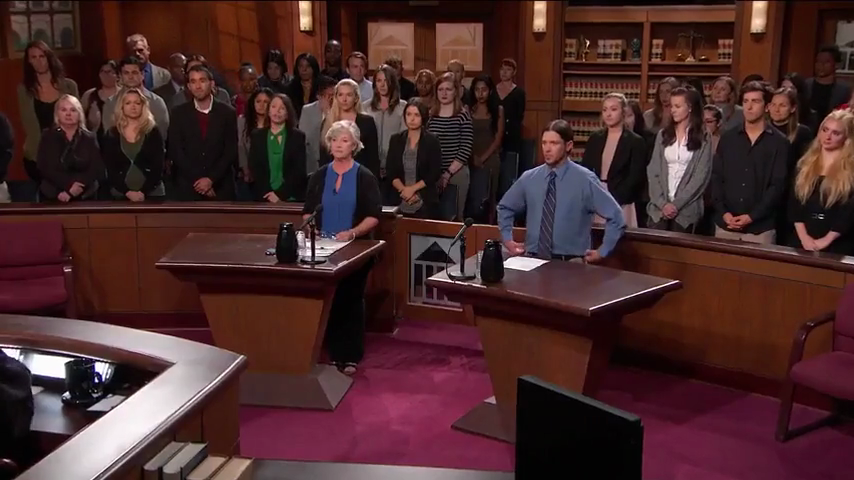
The outcome did not erase Matthew’s criminal history or decide that every statement about him was false. It rested on what Cynthia could prove in this dispute. She could not establish that he broke the boxed marble top. She lacked expert testimony connecting him to the claimed property damage. Her account of the scar incident weakened when she acknowledged her daughter’s knee surgery. And she did not appear at the protective-order hearing Matthew had left work to attend.
What began as a $60 success and a $100 bargain ended with Cynthia owing the handyman eight times the price of the bathroom job.
FAQ
Who were the parties in the Judge Judy handyman case?
Cynthia Martinelli was the plaintiff, and handyman Matthew Lewis was the defendant. Cynthia sought $1,049 for a fee refund, alleged property damage and related costs. Matthew filed a counterclaim.
What work did Cynthia Martinelli hire Matthew Lewis to perform?
After Matthew successfully cleaned her gutters for $60, Cynthia hired him for $100 to remove an old bathroom vanity and install a replacement sink-and-vanity unit.
Did Matthew Lewis break the marble vanity top?
The court found that Cynthia did not prove he broke it. She admitted she had not seen him drop the box, and Home Depot replaced the top after it was discovered damaged inside the unopened packaging.
Why was the bathroom installation unfinished?
The new vanity lacked plumbing connectors needed to join the sink to the hot- and cold-water outlets. Cynthia went to obtain the missing parts, and the parties later disagreed about Matthew’s efforts and price for returning.
Why did Cynthia Martinelli seek a restraining order?
Her application cited Matthew’s conduct around the work, including allegations about an open alcohol container, incomplete work, repeated excuses and requests for more money. The application was dismissed when Cynthia did not attend the hearing.
What did Judge Judy award Matthew Lewis?
The judge dismissed Cynthia’s lawsuit and awarded Matthew $800 on his counterclaim after reviewing the dismissed protective-order proceeding and his lost work time.
Was Matthew Lewis’s criminal history proof that he damaged the bathroom?
No. Matthew acknowledged his prison history, but the judge evaluated the renovation claims through testimony and evidence about the job itself. His past did not prove Cynthia’s allegations.
Sources
- Primary source: E7.srt, the complete 558-cue transcript supplied for this article, covering Martinelli v. Lewis.
- Simkl — Judge Judy, Season 21, Episode 65 — confirms the episode title, season and November 10, 2016 air date.
- Apple TV — “Handyman Shows Off Gunshot Wounds?!” — corroborates the episode premise: allegations of inappropriate conduct involving the plaintiff’s daughter and a defamation counterclaim.
- PRIMETIMER — Judge Judy episode discussion — independently identifies Cynthia Martinelli and Matthew Lewis as the parties in the handyman dispute.