Bear’s infected leg had become so serious that the veterinary bill climbed above $4,000. When 19-year-old Hallie Fry could not cover the cost, her former teacher stepped in and paid. The dog survived—but when repayment never came, one message from Hallie would decide the case.
(uc.)
A Teacher Sells a German Shepherd Puppy to Her Student
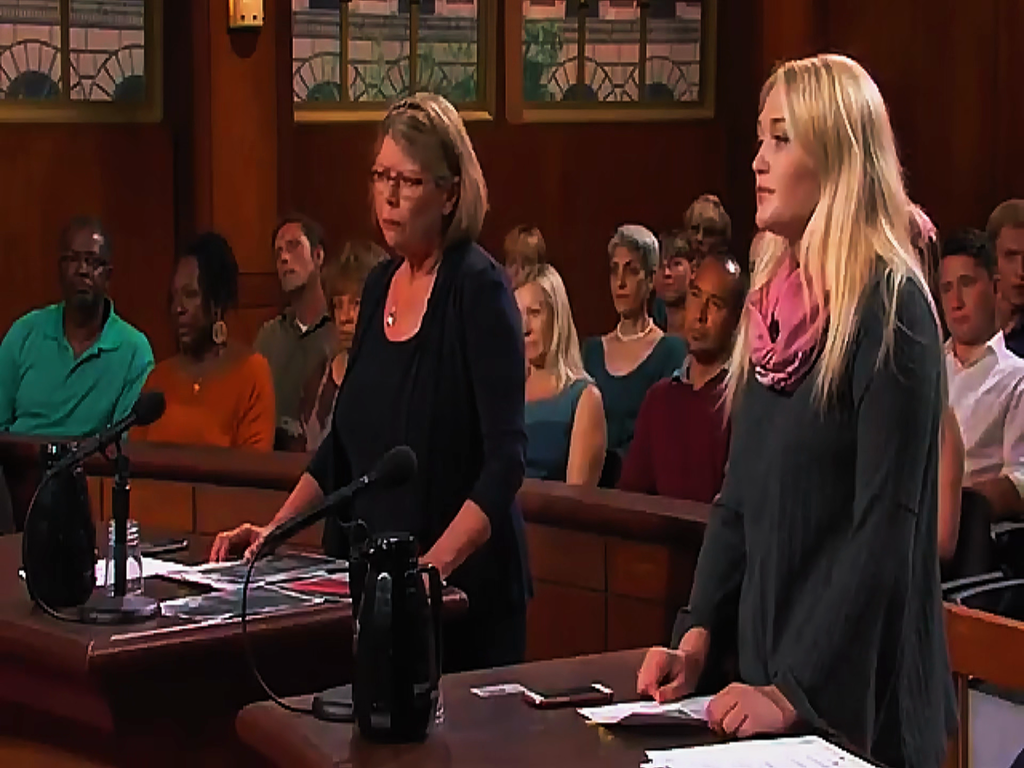
The dispute began with a relationship that had once existed inside a classroom. Hallie Fry had been a student of the plaintiff, whom Hallie said she used to call “Smokey” at school. Near the end of the 2015–2016 school year, the teacher sold Hallie a German Shepherd puppy. The timing discussed in court placed the transaction around May or June 2016, when Hallie was approximately 18 years old.
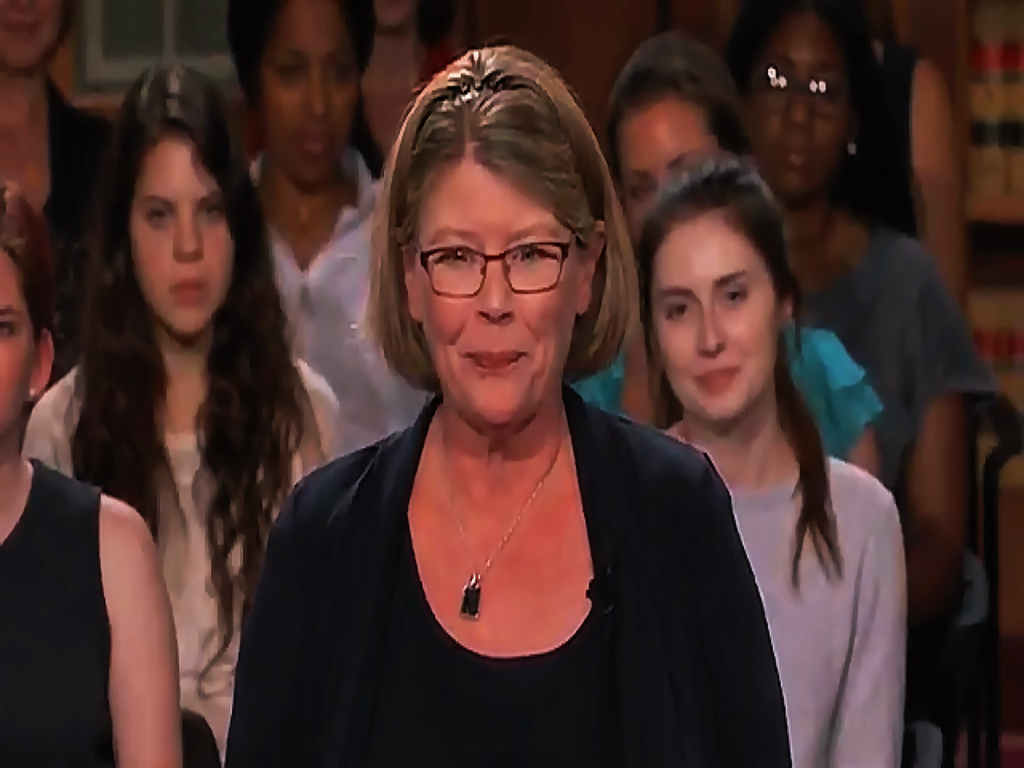
The plaintiff bred German Shepherds with some regularity, telling Judge Judy that her dog had puppies about once a year. The judge quickly questioned the wisdom of selling a large puppy to an 18-year-old whose living circumstances were not fully understood. The plaintiff knew there were family issues and that Hallie had been living with her grandmother rather than her parents, although she said she did not know exactly where the puppy would be living.
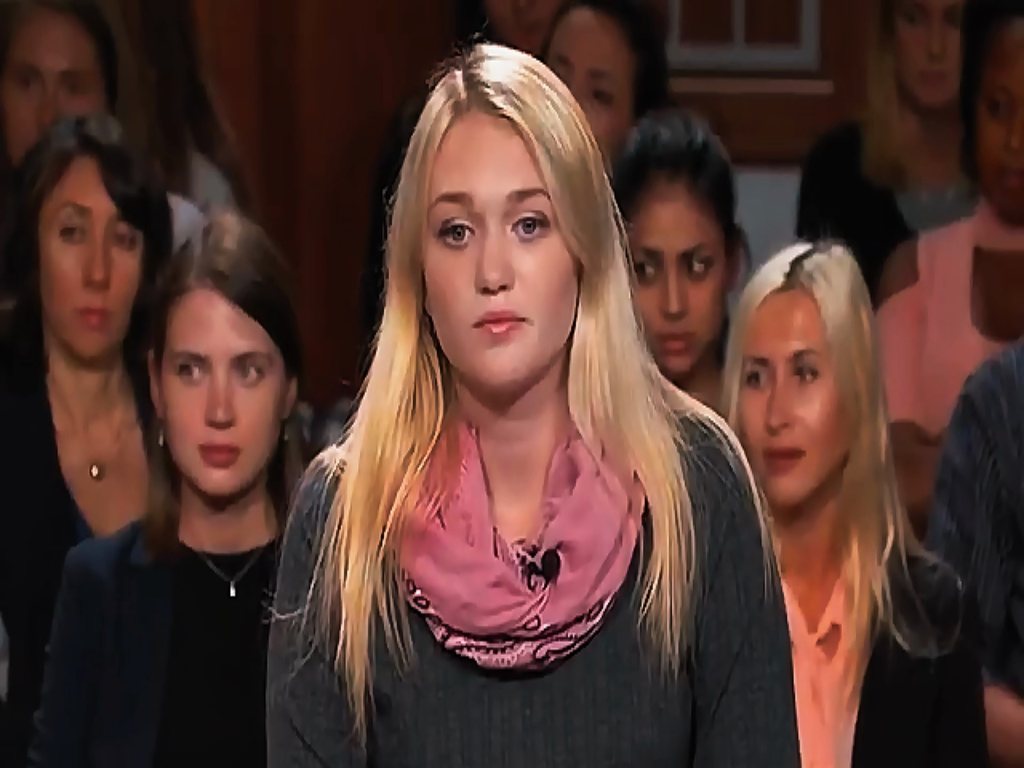
That decision would later become something the plaintiff openly regretted. But at the time, Bear became Hallie’s dog, and Hallie remained his owner when the parties eventually appeared in court.
By then, Hallie was 19 and living with her boyfriend Zach at his parents’ home. Zach had come to court as Hallie’s witness and said he had accompanied her on veterinary visits involving Bear. When Judge Judy asked about employment, Hallie said she was not currently working. Zach initially indicated he was not working either, although Hallie said she had recently interviewed for a job and expected to begin working after returning from the court appearance.

Those circumstances mattered because the lawsuit was ultimately about the financial responsibility that comes with owning an animal.
Bear Develops a Serious Leg Infection
At some point after Hallie had owned Bear for a while, the German Shepherd developed a serious problem with one of his legs. The transcript indicates that the injury involved a puncture wound that became infected. According to the plaintiff, the condition worsened over time until Bear’s leg was severely swollen and required substantial veterinary treatment.
The plaintiff’s account was that Hallie initially did not want to take Bear to a veterinarian. Another person, identified as Katie, paid for an initial veterinary bill. According to the plaintiff’s testimony, that veterinarian instructed Hallie to take Bear for additional care the following day, but the plaintiff said she later learned that Hallie waited more than a week.
These details were allegations made by the plaintiff about Hallie’s handling of Bear’s condition. Judge Judy did not separately establish every allegation as an independent finding. What was undisputed, however, was that Bear eventually required serious veterinary care and that the resulting expenses became substantial.
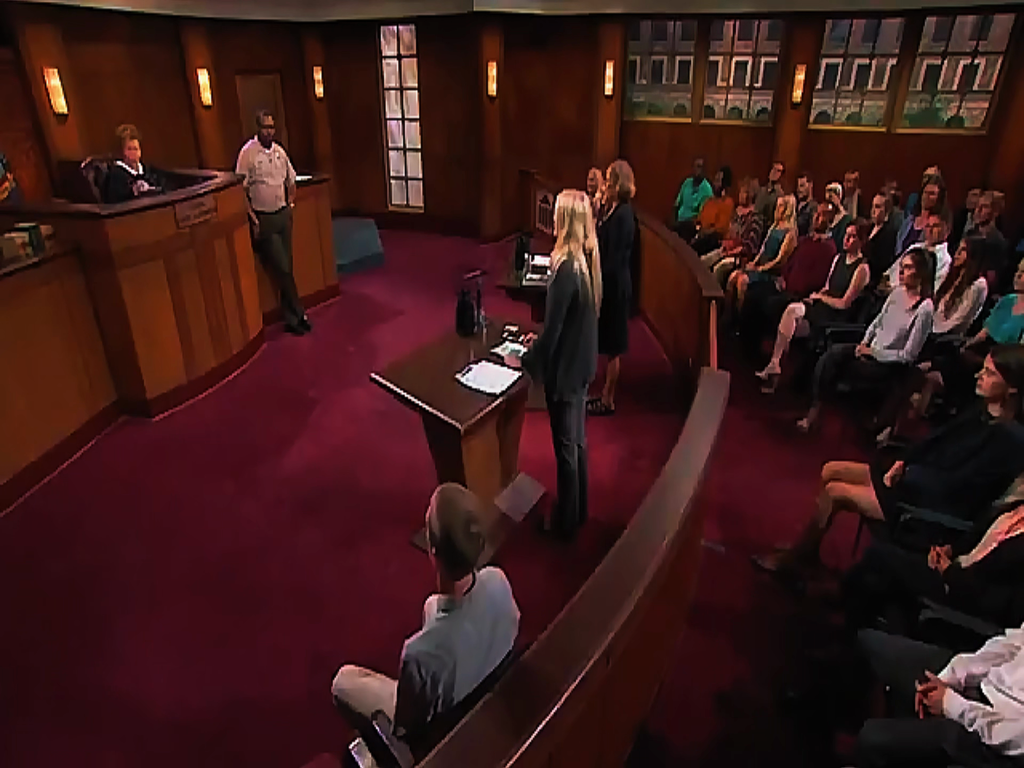
Hallie contacted her former teacher after Bear’s condition had deteriorated. According to the plaintiff, Hallie called on a Friday evening and said she had already taken Bear to two veterinarians but did not know what to do because his leg had become badly swollen.
The plaintiff told her to meet at an emergency veterinary facility the next morning.
A Veterinary Emergency and a Bill Above $4,000
By the time Bear received the treatment at issue in the lawsuit, the cost exceeded $4,000. Judge Judy described the situation as one requiring serious veterinary attention and noted that the alternatives were grim if the necessary treatment was not provided.
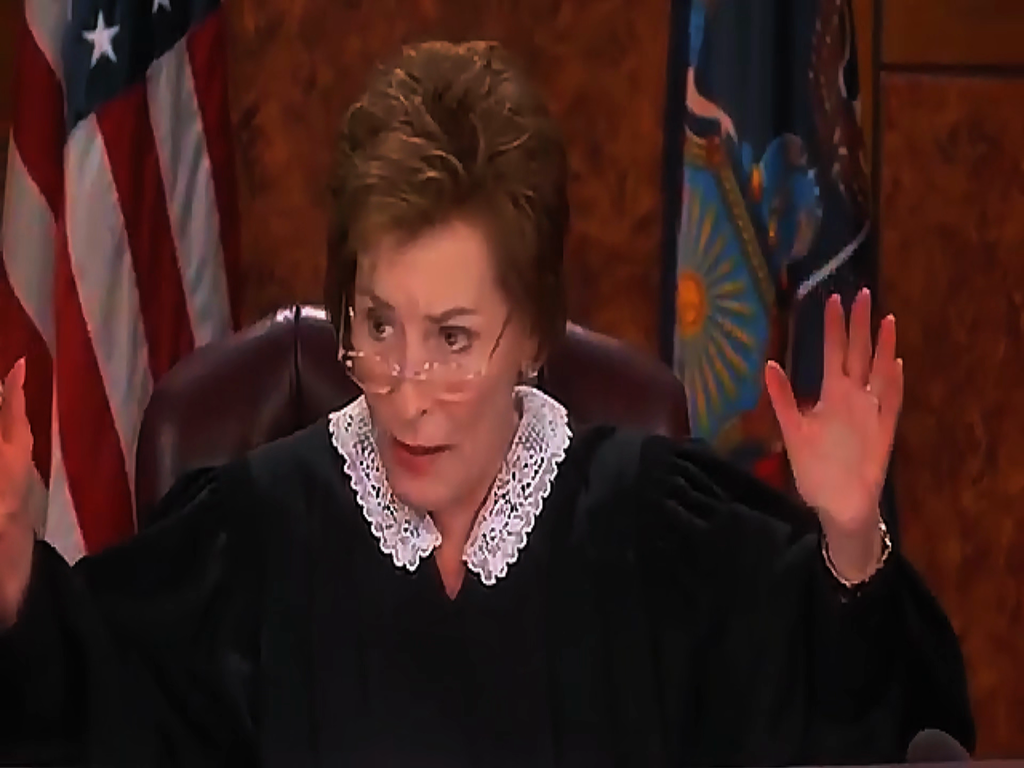
The exact medical procedures are not fully detailed in the transcript, so it would be inaccurate to reconstruct a specific surgery or diagnosis. What the record clearly establishes is that Bear had a serious infection, the treatment was expensive, and the plaintiff ultimately paid the veterinary bill.
Bear survived and remained with Hallie.
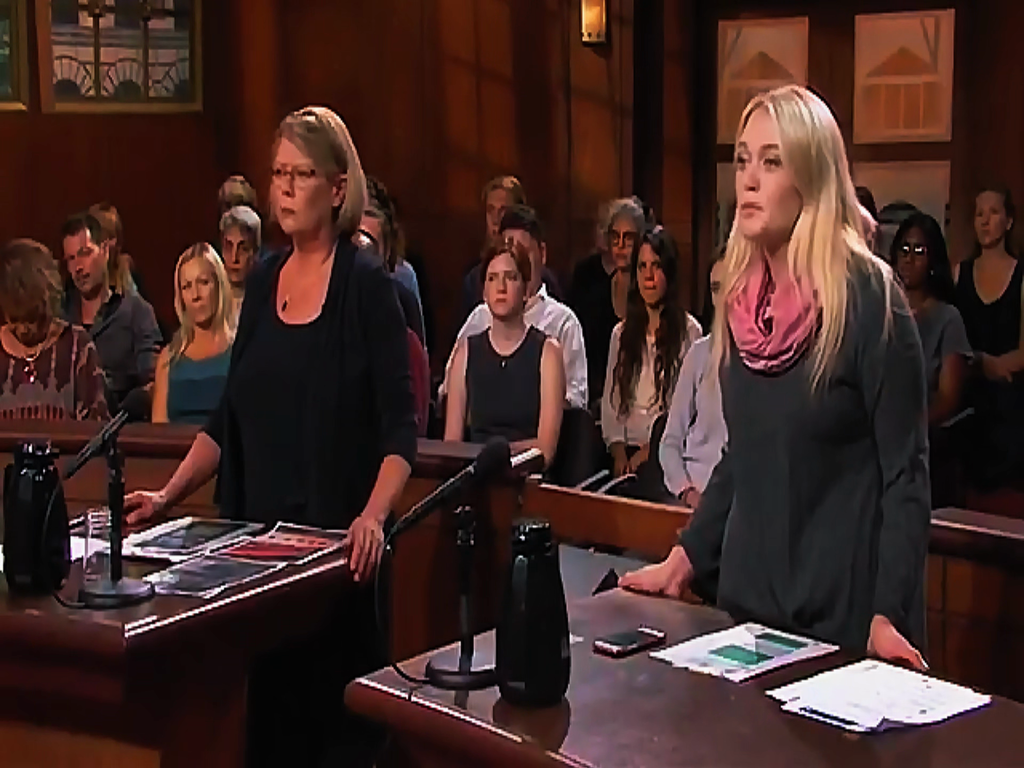
That fact simplified one important part of the lawsuit. Hallie was not disputing that the money had been spent on her dog. She still had Bear when the parties appeared before Judge Judy, and the veterinary expenses had been paid.
The real dispute was whether Hallie was obligated to repay the woman who had covered them.
Why the Former Teacher Stepped In
The plaintiff told the court she had become involved because Bear needed care. She brought veterinary bills, photographs showing the extent of the dog’s injury, follow-up records and text messages she said documented Hallie’s agreement to repay her.
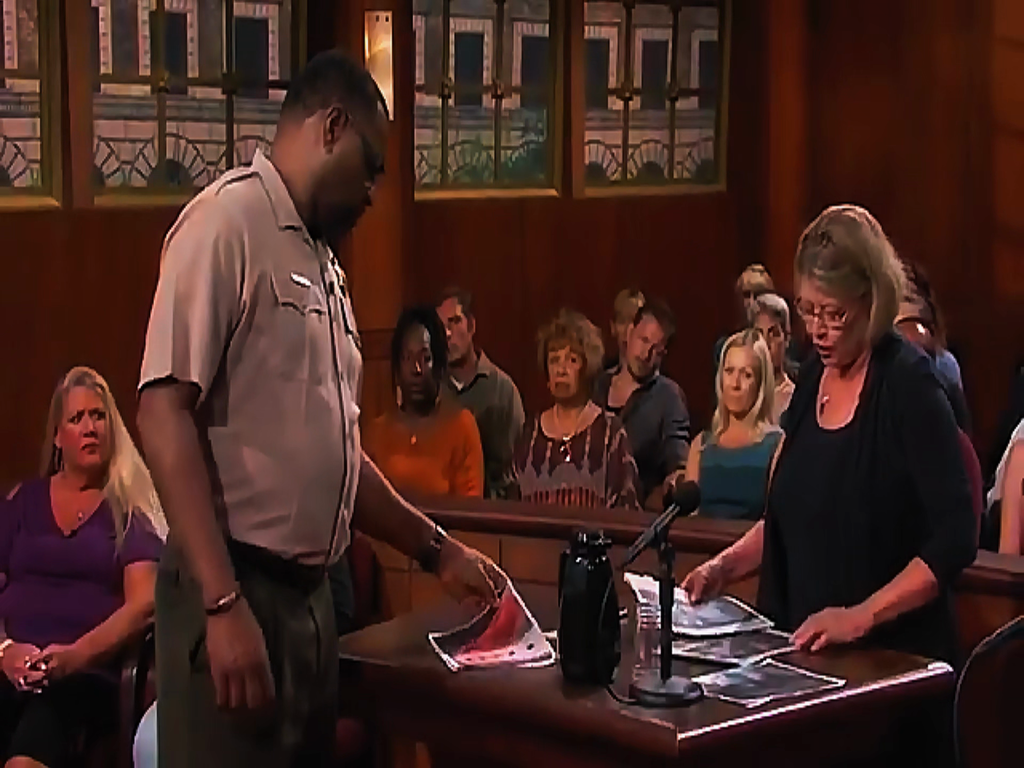
She also said she had paid for follow-up appointments. In her account, Bear required continuing care, including regular bandage changes. After the ruling, the plaintiff said they had gone to the veterinarian once a week to have his bandage changed.
Her concern extended beyond recovering the money. She repeatedly told Judge Judy that she believed Hallie had failed to care properly for Bear and eventually asked whether the court could somehow allow her to buy the dog back.
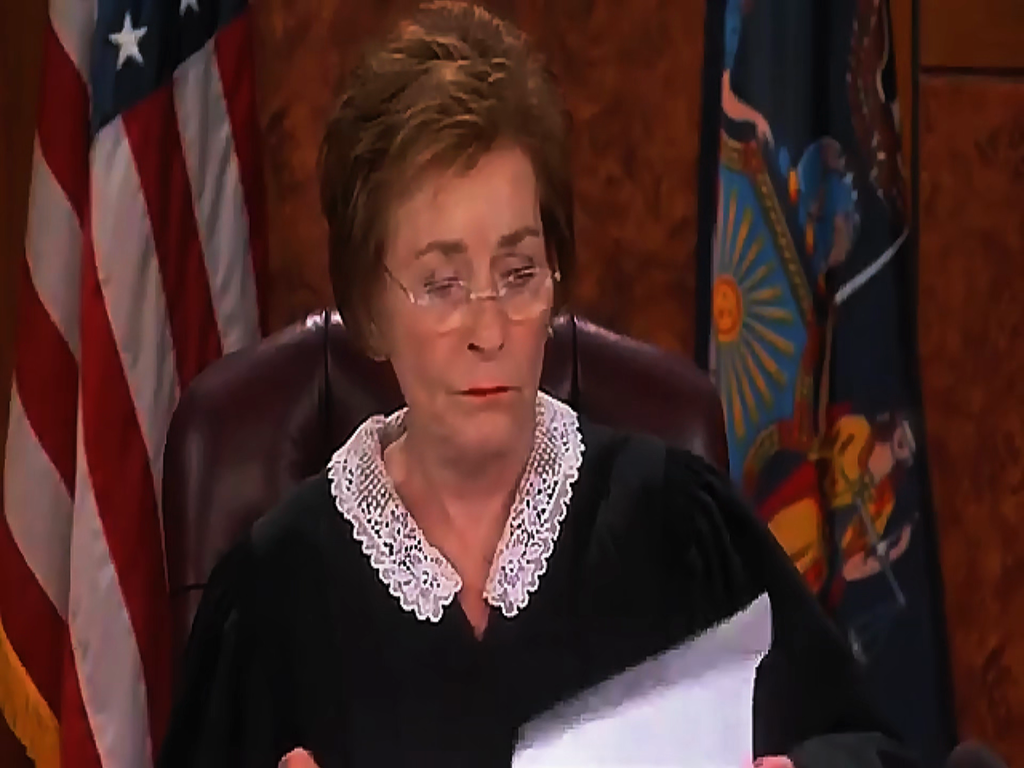
Judge Judy, however, first focused on the simpler legal question: was the money for Bear’s veterinary treatment a loan that Hallie had agreed to repay?
The answer was contained in the parties’ own communications.
The Dispute Over Whether the Money Was a Loan
Hallie’s position required the court to examine whether she actually owed the veterinary expenses to her former teacher. The plaintiff produced messages in which she had reminded Hallie of an agreement to begin repayment after receiving a tax refund.

According to the exchange discussed in court, the plaintiff told Hallie that Hallie had said she would start paying back Bear’s veterinary bill once she received her tax refund. The significance of Hallie’s response was immediate.
She did not answer by saying the money had been a gift. She did not say there had never been an agreement to repay it. Instead, Hallie wrote that she intended to follow through and explained that she had not yet received one of her W-2 forms from Pizza Hut.
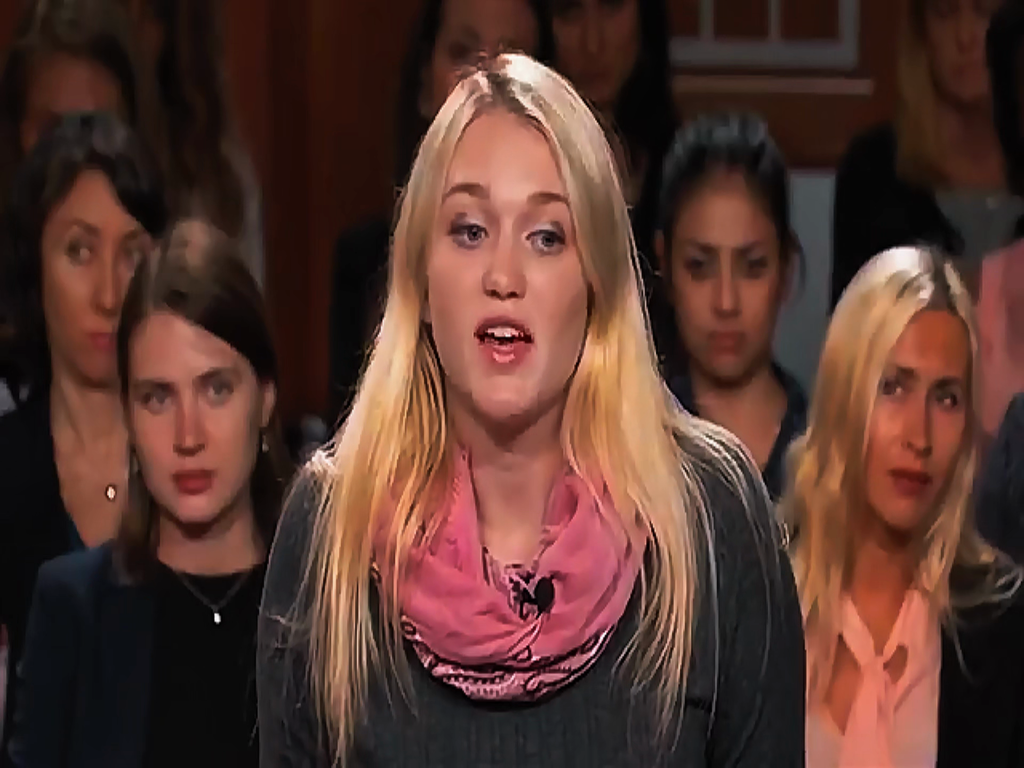
Judge Judy questioned Hallie about the reference to Pizza Hut. Hallie acknowledged that she had worked there, although not necessarily at the precise time being discussed earlier in the hearing.
Then came the admission that effectively ended the case.
The Messages That Changed the Case
Judge Judy pointed out that Hallie’s response to the repayment message was inconsistent with the idea that she owed nothing. Rather than rejecting the debt, Hallie had explained why she had not yet received the tax documentation connected with the refund she expected to use for repayment.
Hallie then told the judge that she had felt obligated to pay the plaintiff back. For Judge Judy, that was enough.
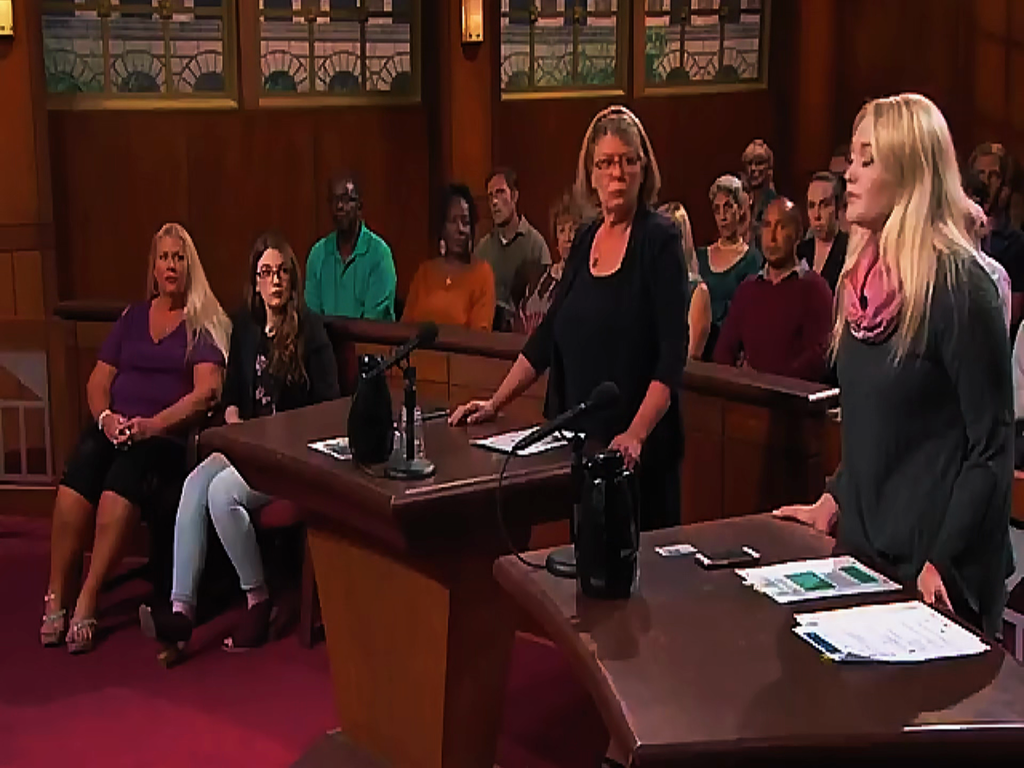
The exchange established that Hallie recognized an obligation associated with the veterinary expenses. The plaintiff had paid a major bill for Hallie’s dog, Hallie retained ownership of the dog, and Hallie’s own communication contemplated repayment.
The case therefore did not require extensive testimony from Zach or a prolonged reconstruction of every veterinary visit. Once Hallie acknowledged the obligation reflected in the messages, the central financial dispute was resolved.
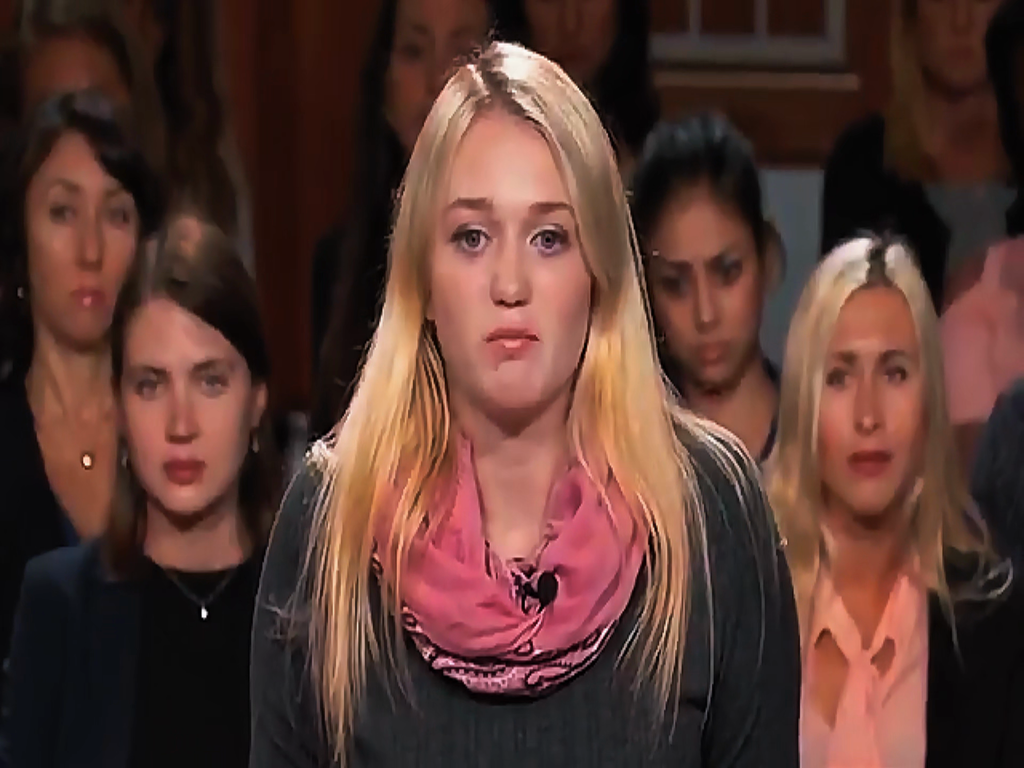
Judge Judy entered judgment for the plaintiff.
Hallie Fry’s Own Answer Ends the Argument
The turning point was notable because it came from Hallie rather than from a witness called against her. Her statement that she felt obligated to repay the money supported what the plaintiff had been arguing from the beginning.
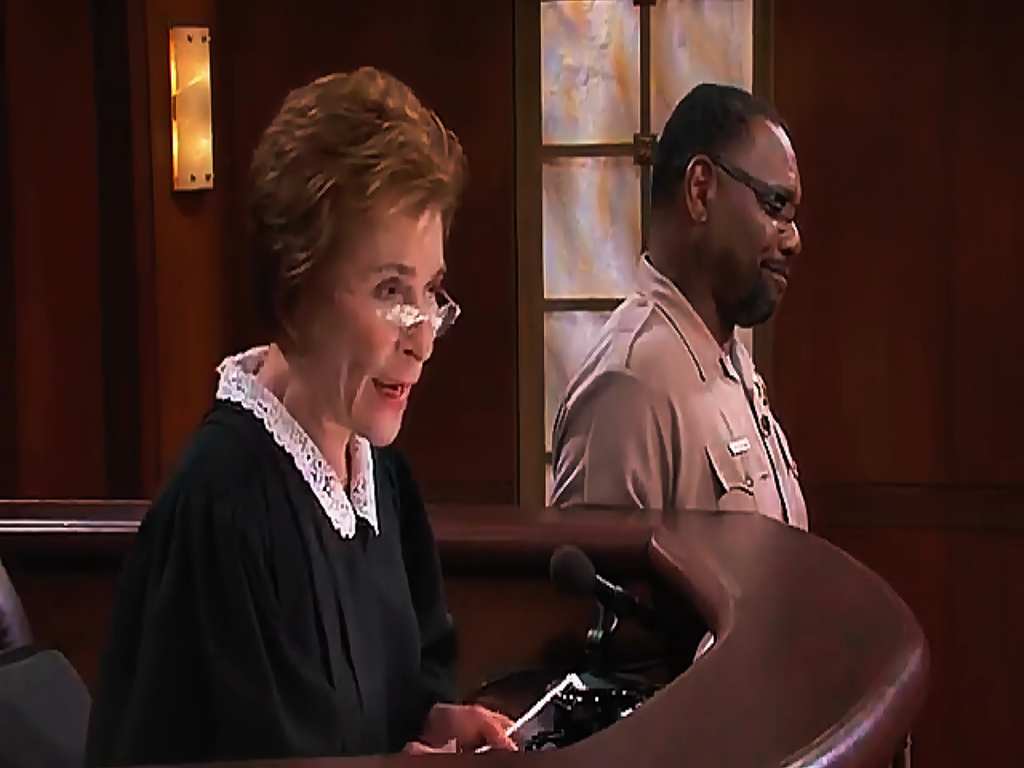
The text exchange reinforced that conclusion. When reminded that she had promised to begin repayment after receiving her tax refund, Hallie responded that she was going to follow through and was waiting for a Pizza Hut W-2. Judge Judy treated that response as acknowledgment of the debt.
This distinction matters. Someone receiving a genuine gift ordinarily would not need to explain that repayment had been delayed because tax documents had not arrived. Hallie’s own response instead contemplated future payment.
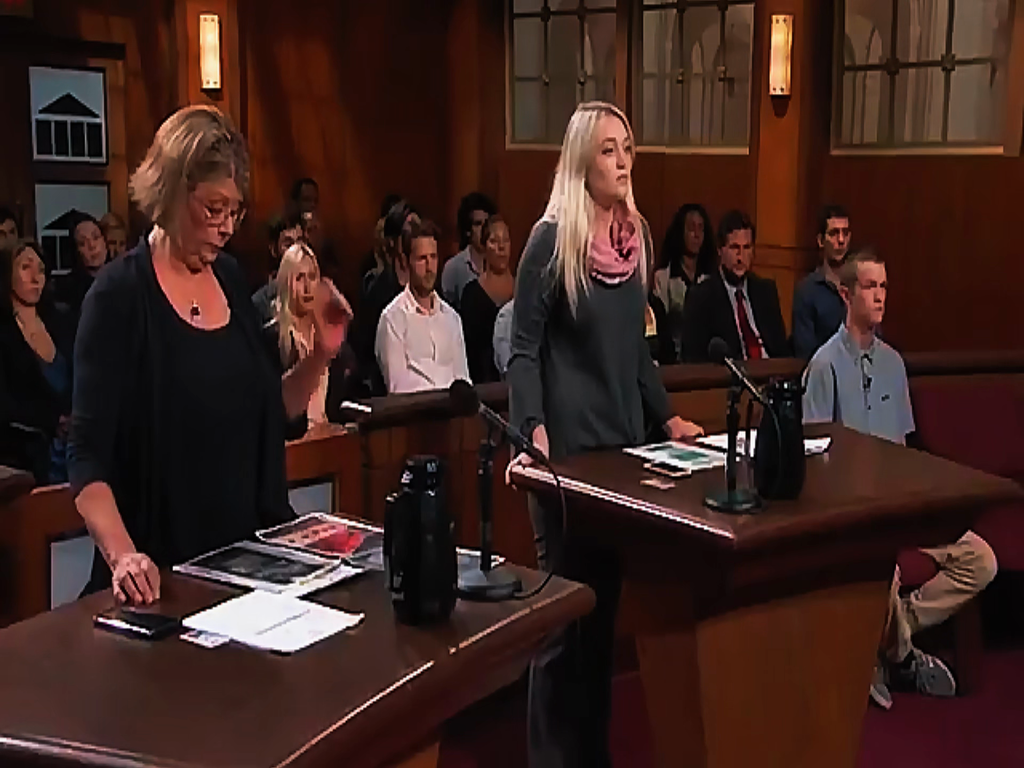
With that issue decided, the plaintiff tried to address something she considered even more important than the money: Bear’s future.
A Second Fight Over Who Should Keep Bear
The plaintiff told Judge Judy that she considered Bear’s condition evidence that Hallie had failed to care for him properly. She asked whether the court could issue some form of judgment allowing her to purchase Bear back.
Judge Judy said she could not.

The dog had been sold to Hallie. Whatever concerns the plaintiff now had about that original decision, the court was not going to issue an order allowing her to reverse the sale by purchasing the dog back through this lawsuit.
The judge did, however, question Hallie about whether she was actually in a better position than her former teacher to care for Bear. Hallie said she was.

Asked what she did to take care of the dog, Hallie said she did everything she could and that Bear was extremely important to her. She initially said her dog came first, then corrected herself to say her rent obviously came first and Bear came second.
That prompted another question: how was Hallie paying rent if she was not currently working?
Judge Judy Questions Hallie’s Ability to Care for the Dog
Hallie said she had interviews and money saved. Judge Judy challenged the idea that upcoming job interviews could themselves provide the money necessary to pay rent. Hallie clarified that she had savings and interviews coming up.
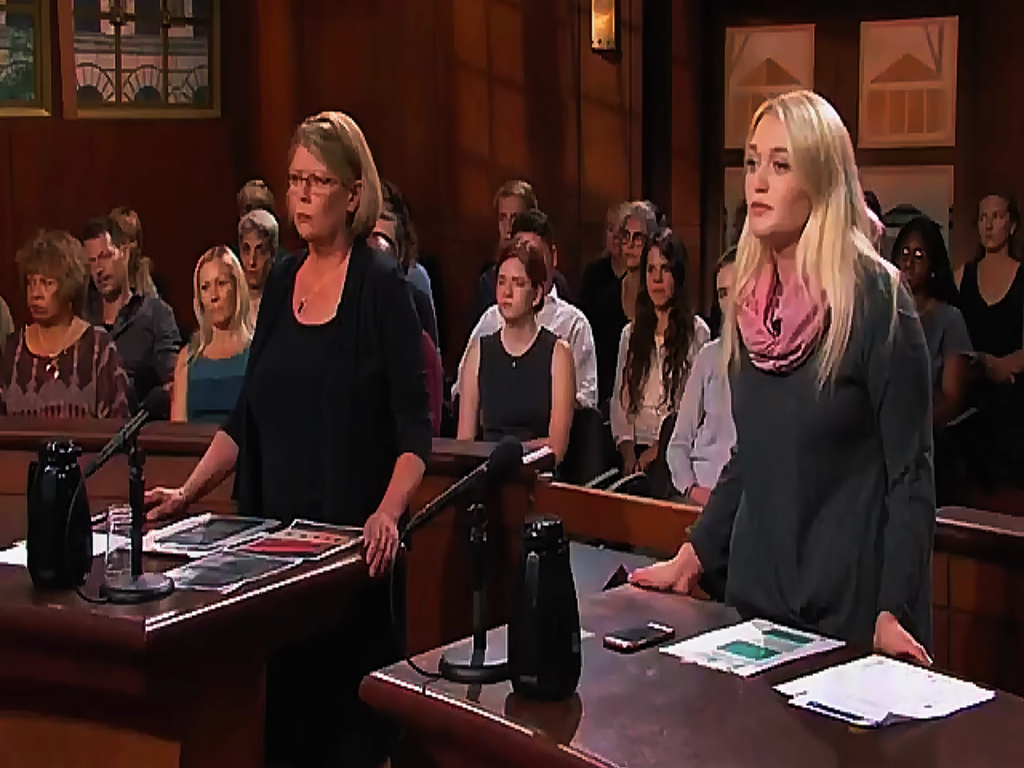
The exchange reflected the larger concern running through the case. Bear was a large dog capable of generating significant expenses, as the veterinary emergency had already demonstrated. Judge Judy emphasized that owning a dog meant accepting responsibility when the animal became sick, including responsibility for the bills.
At the same time, the judge directed criticism toward the plaintiff for selling the puppy to Hallie in the first place. The plaintiff acknowledged that she now viewed the sale as a mistake.
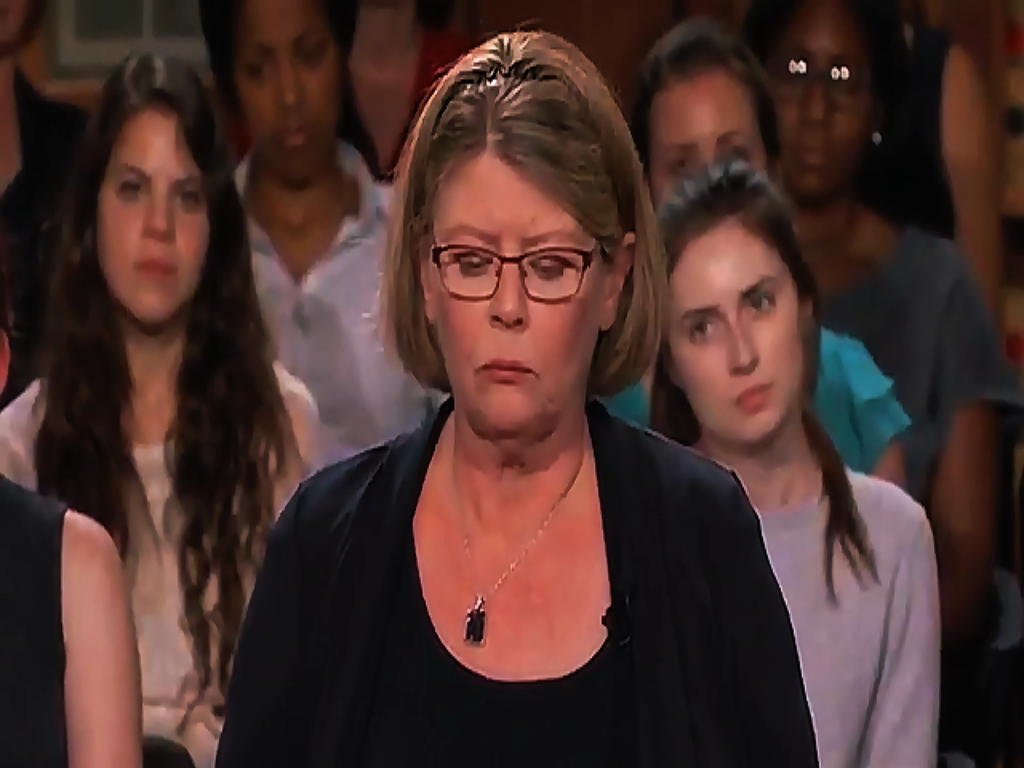
Judge Judy told her that making a poor judgment in selling a dog to a teenager was something she might have to live with. In other words, the plaintiff could recover the money Hallie owed, but the court would not use that financial dispute to undo the original transfer of ownership.
Why the Court Would Not Return Bear to the Plaintiff
The plaintiff’s concern about Bear was emotional as well as financial. After the hearing, she said the photographs of the dog’s condition represented animal abuse in her view and claimed that she had done everything she could to care for him because Hallie had not. She also said she regretted allowing Bear to go into Hallie’s hands and asked Hallie to consider letting her purchase the dog back.
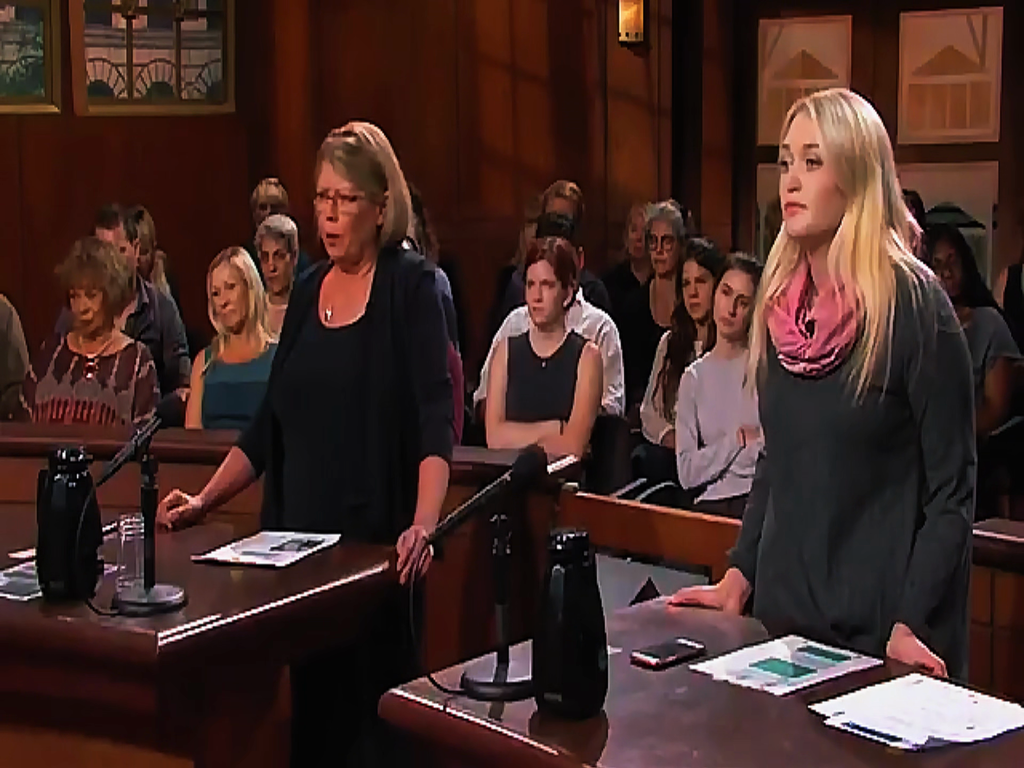
Those were the plaintiff’s own allegations and opinions after the judgment, not separate findings by Judge Judy.
Hallie strongly disagreed. She rejected the suggestion that she was unfit and said her dogs were important to her. She also resisted the idea of returning Bear to the plaintiff, pointing to the number of animals she said were already living at the plaintiff’s home, including several German Shepherds, Pomeranians and birds.

Again, those comments represented Hallie’s position rather than independently verified facts about the plaintiff’s household. The court did not order Bear returned.
Instead, the case remained what it had originally been filed as: a dispute over money advanced for veterinary treatment.
What the Case Revealed About the Original Decision
The most striking element of the case was that both the debt and the larger conflict could be traced back to a decision made near the end of Hallie’s school years. A teacher who bred German Shepherds sold one of the puppies to an 18-year-old former student without fully understanding the young woman’s living situation or financial stability.
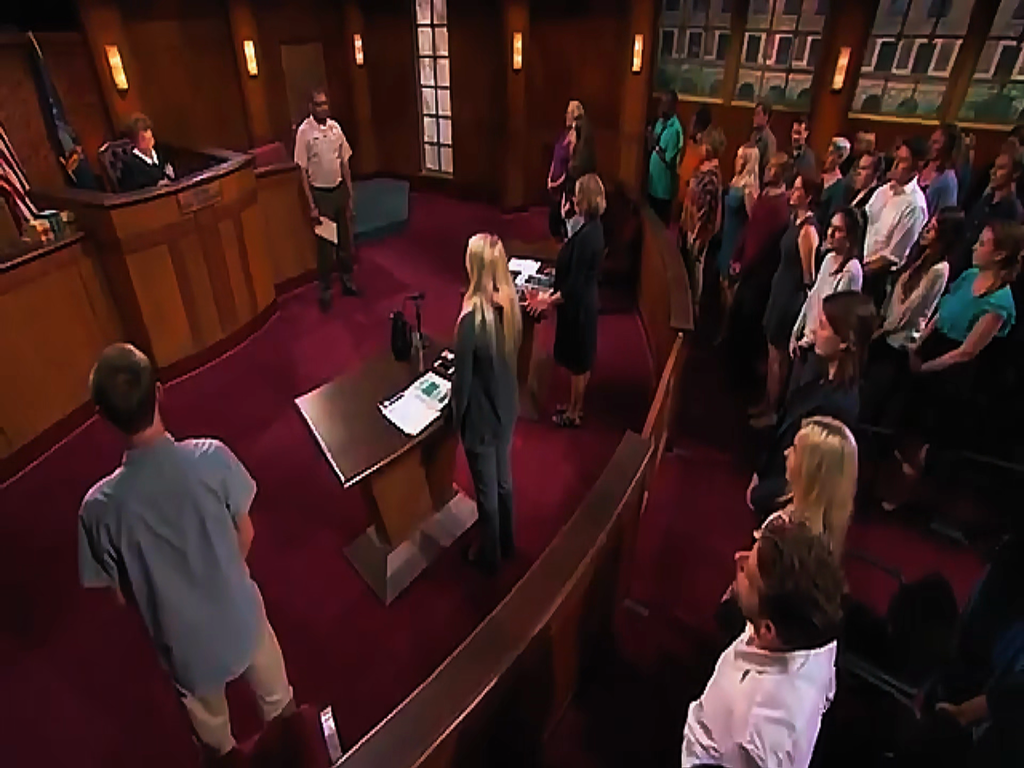
Months later, Bear developed a serious leg infection. The veterinary expenses climbed beyond $4,000, and the former teacher stepped in when the dog required care. What may initially have been an act motivated by concern for the animal eventually became a debt dispute when the expected repayment did not arrive.
Judge Judy’s ruling did not determine that every accusation about Bear’s care was true. It did not order the dog removed from Hallie. It did not give the plaintiff the right to buy him back. Instead, the decision rested on a much narrower evidentiary foundation.
The veterinary expenses had been paid for Hallie’s dog. Hallie still owned Bear. More importantly, the messages showed that repayment had been discussed, and Hallie herself acknowledged that she felt obligated to pay the money back.
That admission resolved the financial case.
For the plaintiff, winning the judgment did not erase her regret over selling Bear. For Hallie, keeping the dog did not eliminate the responsibility associated with the veterinary debt. The two issues were legally distinct even though they had become emotionally intertwined.

Bear’s medical emergency brought those responsibilities into focus. A pet can be purchased once, but ownership continues every day afterward. Food, housing and routine care are only part of that commitment. An unexpected infection can turn into a veterinary bill of thousands of dollars almost overnight.
In this case, someone else stepped in when that bill arrived. The court’s conclusion was that the person who owned Bear could not simply leave that cost with the person who had helped save him.
(uc.)
FAQ
Who was Hallie Fry’s former teacher?
The transcript identifies the plaintiff by a surname that is rendered inconsistently by the subtitle transcription, including forms resembling Smolkauski or Smokowski. Hallie said she knew her former teacher as “Smokey” while she was in school. Because the SRT does not provide a reliably consistent spelling of the plaintiff’s full name, this article avoids inventing one.
Why did Hallie Fry’s former teacher sue her?
The plaintiff sued Hallie over veterinary expenses she had paid for Hallie’s German Shepherd, Bear. The treatment cost more than $4,000, and the plaintiff maintained that the money was supposed to be repaid.
How old was Hallie when she bought Bear?
The sale occurred around May or June 2016, near the end of the school year. Judge Judy’s questioning indicates that Hallie was approximately 18 when she purchased the German Shepherd puppy from her teacher. She was 19 when the case was heard.
What happened to Bear?
Bear developed a serious problem with one of his legs involving a puncture wound and infection. His condition eventually required substantial veterinary care, generating a bill of more than $4,000.
Who paid Bear’s veterinary bill?
Hallie’s former teacher paid the major veterinary expenses at issue in the lawsuit. The transcript also indicates that another person, Katie, had paid an earlier veterinary bill.
What evidence showed Hallie had agreed to repay the money?
The plaintiff produced messages discussing Hallie beginning repayment after receiving her tax refund. Hallie responded that she intended to follow through and was waiting for a Pizza Hut W-2. In court, she also said she felt obligated to pay the plaintiff back.
Did Judge Judy rule for Hallie Fry or her former teacher?
Judge Judy entered judgment for the plaintiff, Hallie’s former teacher, after Hallie acknowledged her obligation to repay the veterinary expenses.
Did Judge Judy order Hallie to give Bear back?
No. The plaintiff asked whether the court could allow her to buy Bear back, but Judge Judy said she could not issue such a judgment. Bear remained Hallie’s dog.
Did Judge Judy find that Hallie abused Bear?
The plaintiff described Bear’s condition as animal abuse after the hearing, but the transcript does not show Judge Judy making a formal finding of animal abuse. The court’s ruling concerned the unpaid veterinary debt, so the plaintiff’s allegation should not be presented as a judicial finding.
Sources
Judge Judy, the complete subtitle transcript supplied for this article. The transcript is the controlling source for Hallie Fry’s age, her relationship with the plaintiff, the sale of Bear, the dog’s leg infection, veterinary expenses exceeding $4,000, the repayment messages, Hallie’s reference to her Pizza Hut W-2, her acknowledgment that she felt obligated to repay the money, the judgment for the plaintiff and the later dispute about Bear’s ownership.