Wendy Sheller believed her share of the rent was reaching the landlord. For months, she and another roommate gave Bradley Bates about $606.63 each, trusting him to handle the payment. Then a notice arrived showing $5,730 due—and Bradley admitted he had used rent money for something else.
(uc.)
Three Roommates Share a House
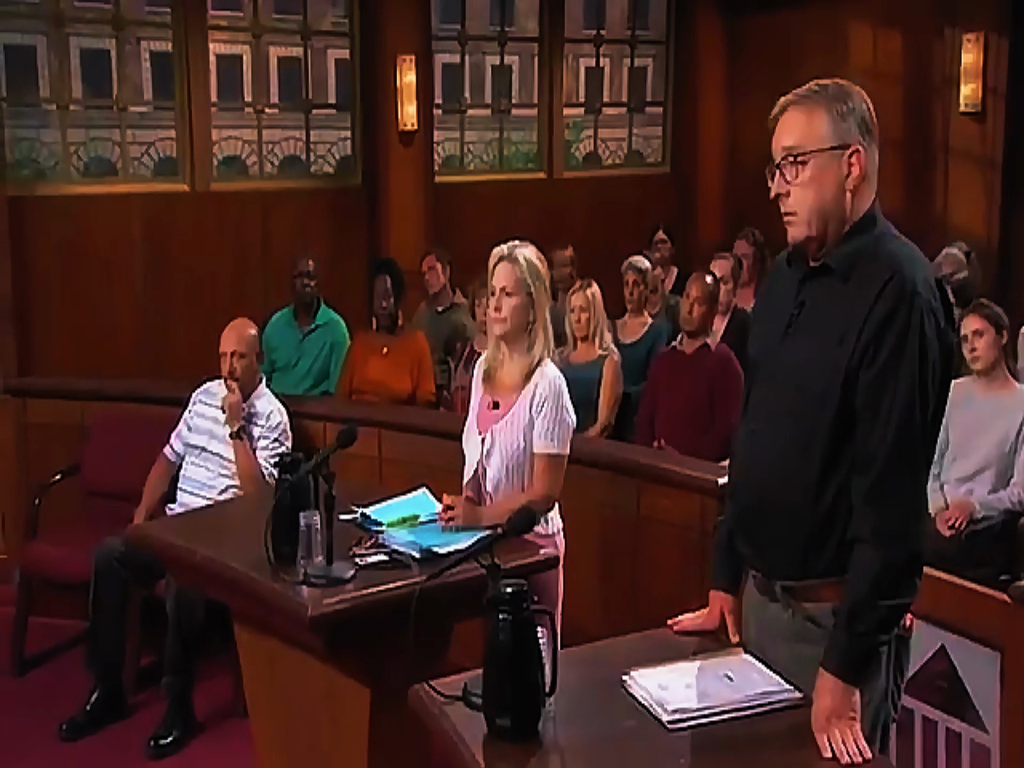
The Judge Judy roommate rent dispute involved Wendy Sheller, Bradley Bates and another roommate named Anthony. All three lived together in a house. Wendy and Anthony appeared on the lease, according to Wendy’s testimony.

Bradley described a long-running arrangement for paying the rent. During the later period when all three shared the expense, Wendy and Anthony each gave Bradley about $606.63. They normally paid him in cash. Bradley then obtained a cashier’s check and delivered the full rent to the landlord.
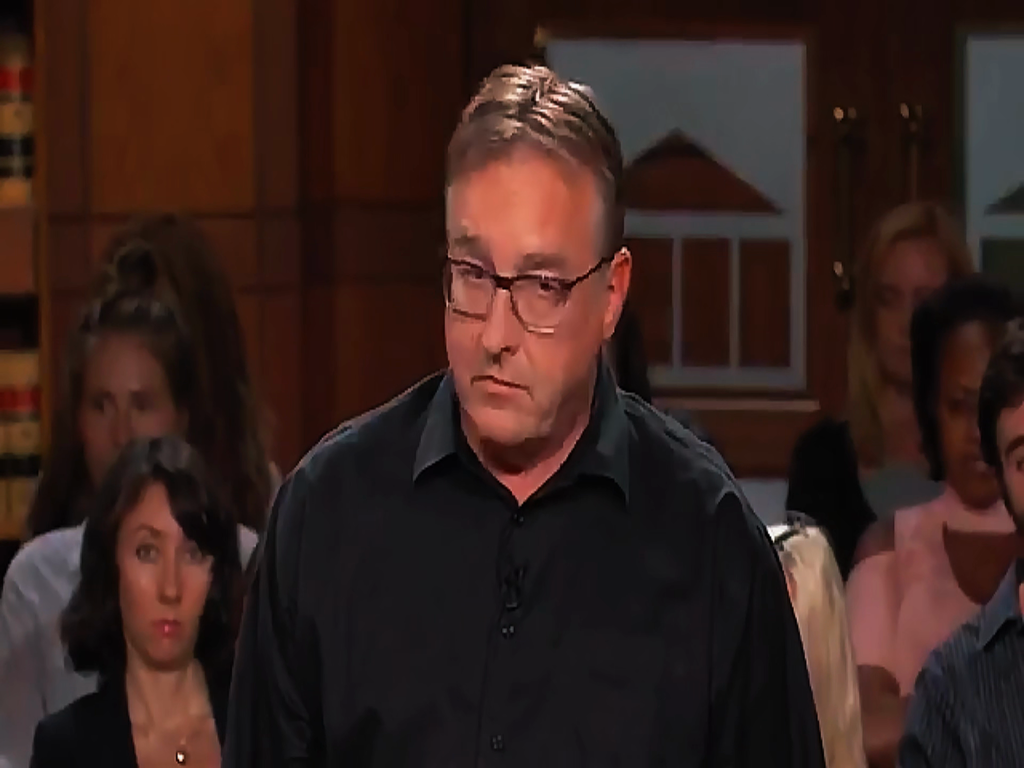
For a time, the system apparently worked. Wendy and Anthony gave Bradley their shares and trusted him to complete the payment. That trust became the central issue once Bradley began experiencing financial trouble.
Bradley Bates Takes Responsibility for Paying Rent
Judge Judy asked Bradley when his financial difficulties began. He said he started having money problems around October 2015. His trouble with the household rent came later.

Bradley estimated that he began falling behind around October or November 2016. At first, he said he had failed to pay the rent for four months. He could not identify the exact months with confidence and acknowledged that the period might have lasted five months.
Wendy had documentation. She told Judge Judy that the unpaid period covered five months, and the judge accepted that figure for the discussion.

The important point was not simply that Bradley had fallen behind. Wendy and Anthony had continued giving him their portions during those months.
Five Months of Rent Fail to Reach the Landlord
Judge Judy asked Bradley a direct question. During those five months, had Wendy and Anthony continued giving him about $606.63 each? Bradley answered yes.
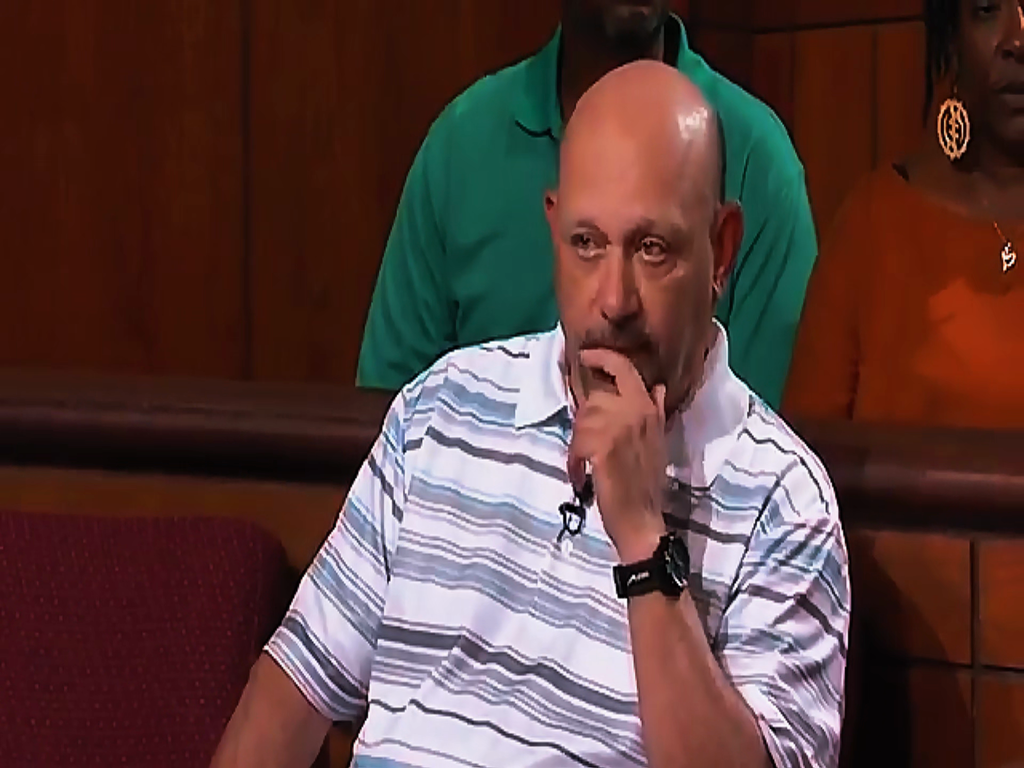
The judge then asked whether he had used those funds himself instead of paying the landlord. Again, Bradley agreed. His admission removed much of the factual uncertainty from the dispute.
Wendy and Anthony had not simply failed to contribute their rent. They had handed their money to Bradley under the established household arrangement. Bradley accepted the money but did not use it for its intended purpose.
That admission became the foundation of Wendy’s case.
Wendy Learns the House Faces Eviction
Eventually, Wendy and Anthony learned that the landlord had not received the rent. The property faced action for nonpayment. From their perspective, the news created an immediate problem because they believed they had already paid their shares.

Wendy wanted to remain in the house. To do that, she needed to address the outstanding balance with the landlord. Her lawsuit argued that Bradley’s actions forced her to pay money a second time.
Judge Judy summarized the situation in simple terms. Wendy had given Bradley rent money. Bradley kept it instead of paying the landlord. Wendy then paid the landlord directly so that she and Anthony could remain in the home.
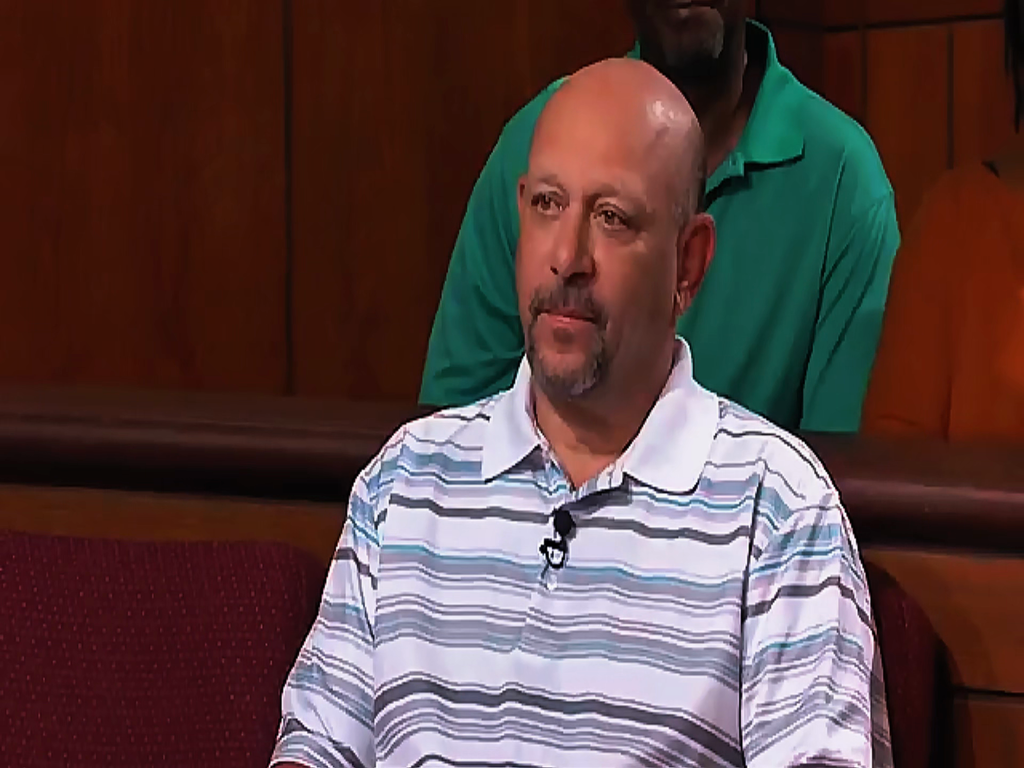
The case therefore focused on whether Wendy could prove what she paid to cure the arrears.
Bradley Admits Using the Rent Money
Bradley did not deny receiving Wendy’s payments. He also acknowledged that he failed to forward the money to the landlord during the disputed months.
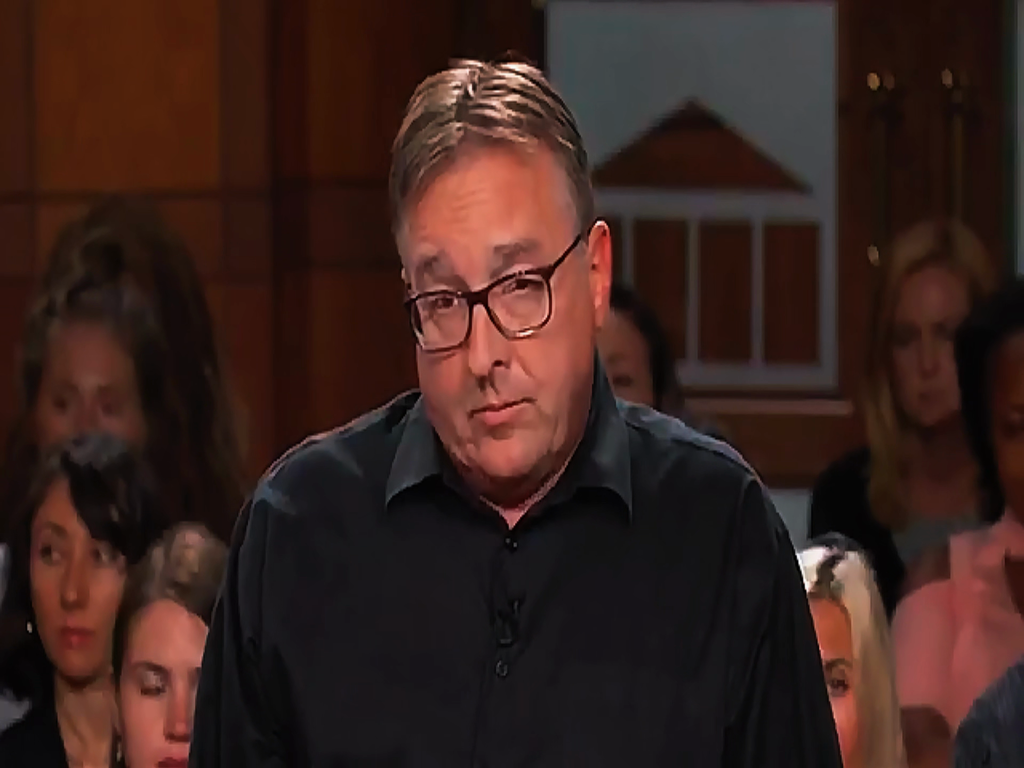
Judge Judy reacted strongly to that admission. She repeatedly said Bradley had taken money for a specific purpose and used it for himself. During the hearing, she characterized his conduct as “theft” and said he had “stolen” the roommates’ money.
Those words came from Judge Judy during the civil hearing. The transcript does not establish a separate criminal conviction for theft. For accuracy, the distinction matters.

The civil question before the court was narrower: how much could Wendy prove she had paid after Bradley failed to deliver the original rent money?
His Defense Fails Before Judge Judy
Bradley tried to argue that any debt belonged to the landlord or property management company. He also focused on the lease arrangement. His position was that Wendy’s decision to pay outstanding rent did not automatically mean he owed that money directly to her.
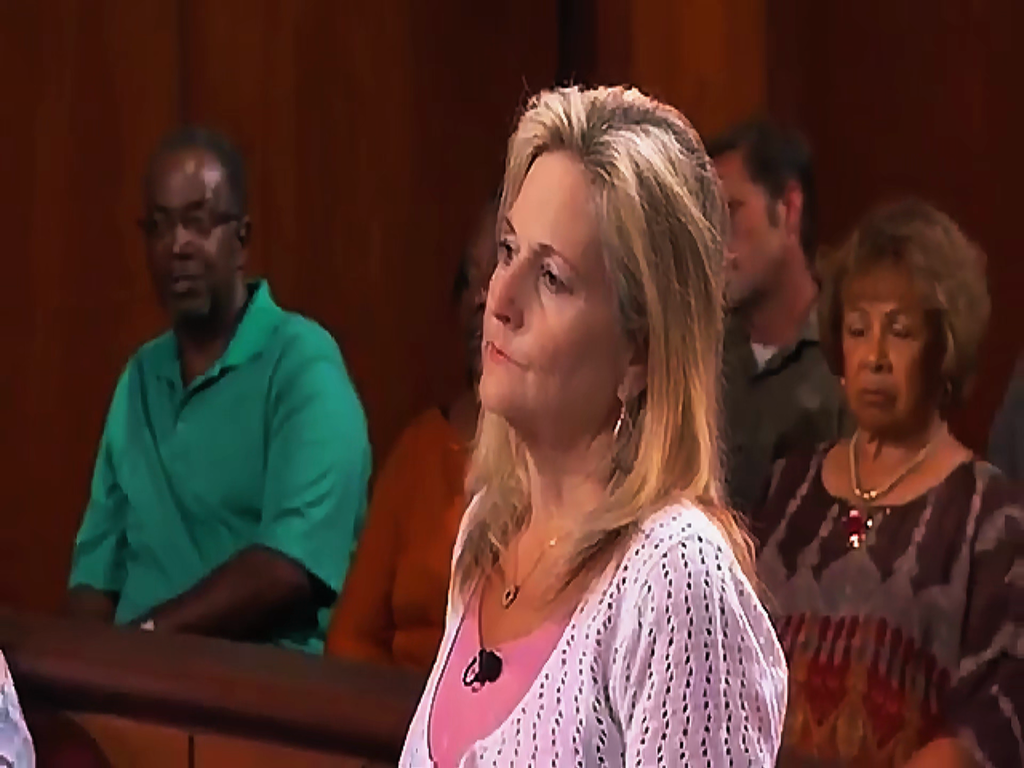
Judge Judy rejected that reasoning. She explained that once Wendy paid the landlord to cover the arrears, she could pursue Bradley for money she had already entrusted to him. In the judge’s words, Wendy effectively stepped into the landlord’s shoes.
Bradley also emphasized that he had moved out in May. He argued that he did not know what Wendy did afterward.

That explanation did not address the central issue. Bradley had already admitted taking the roommates’ rent money and failing to send it to the landlord.
A $5,730 Notice Reveals the Scale of the Problem
Wendy presented a three-day notice to quit as part of her evidence. The document showed $5,730 owing as of May 1.
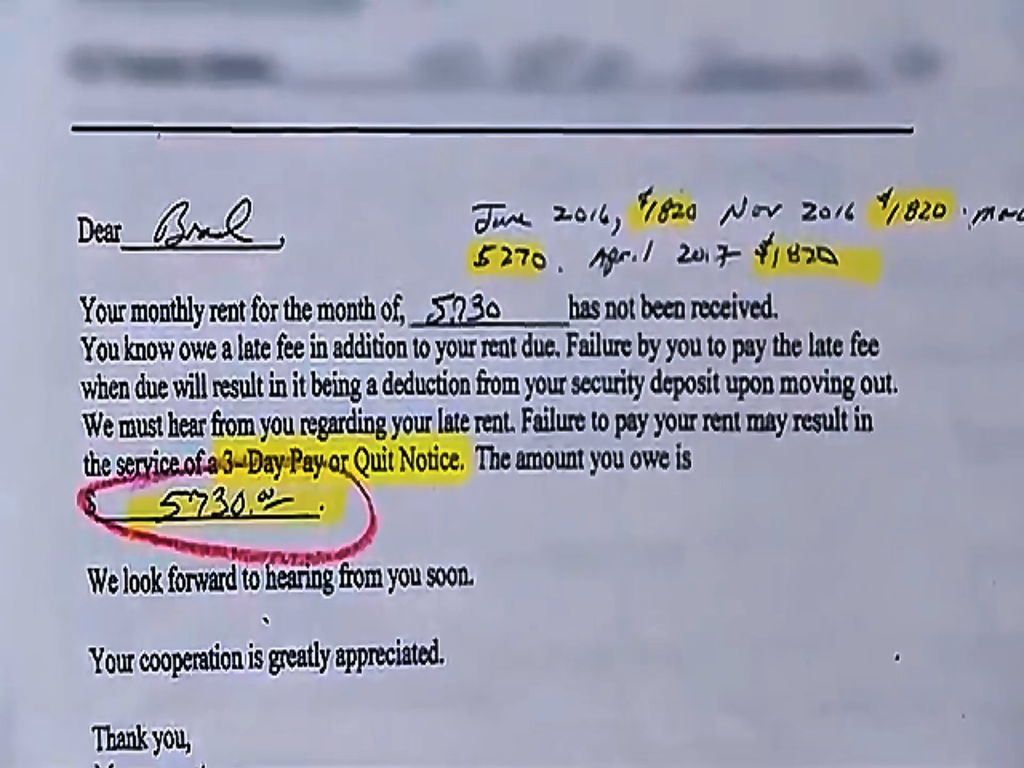
That number illustrated the seriousness of the arrears, but it did not automatically become Wendy’s judgment. Judge Judy still required proof showing exactly how much Wendy had personally paid to resolve the problem.
This distinction is crucial when reporting the case. The $5,730 represented the amount shown as due on the landlord’s notice. It was not the amount Judge Judy ultimately accepted as Wendy’s proven payment.
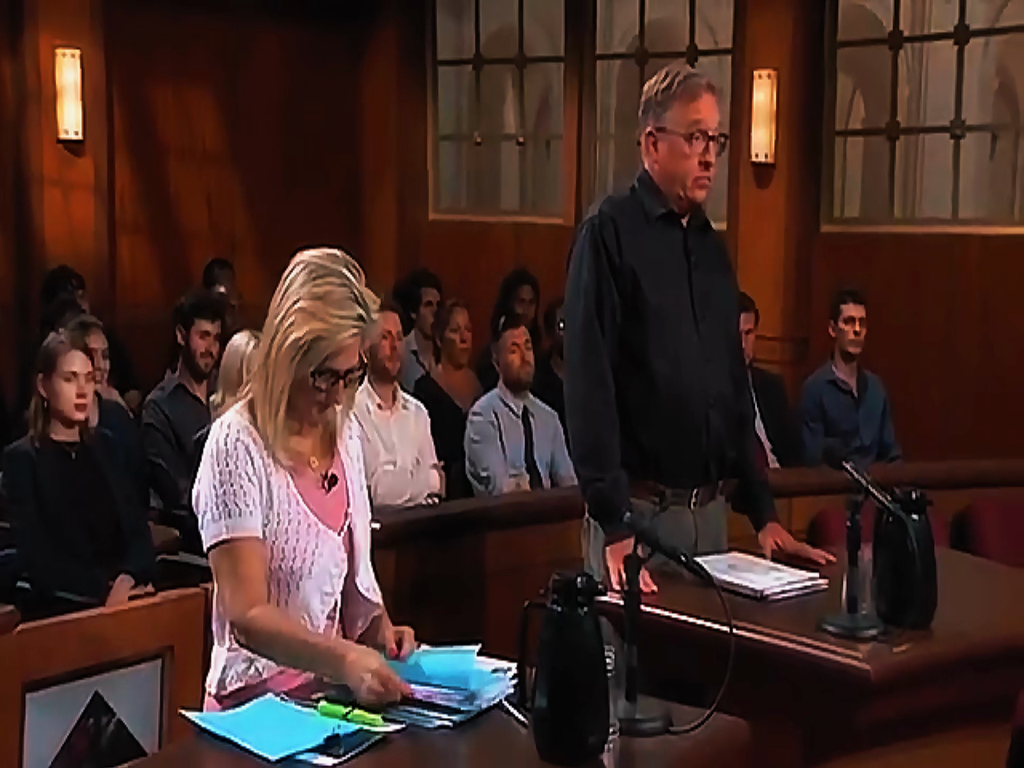
Wendy produced additional material in an effort to document her payments. Judge Judy examined those records closely rather than accepting every receipt at face value.
Judge Judy Demands Reliable Proof of Payment
Some of Wendy’s evidence did not satisfy Judge Judy. The judge refused to accept certain receipts without a clear financial trail behind them.
She asked Wendy to show where the money had come from. Judge Judy wanted bank withdrawals or other documentation that connected Wendy’s funds to the payments she claimed. She specifically questioned transactions involving amounts around $1,800 and $2,000.
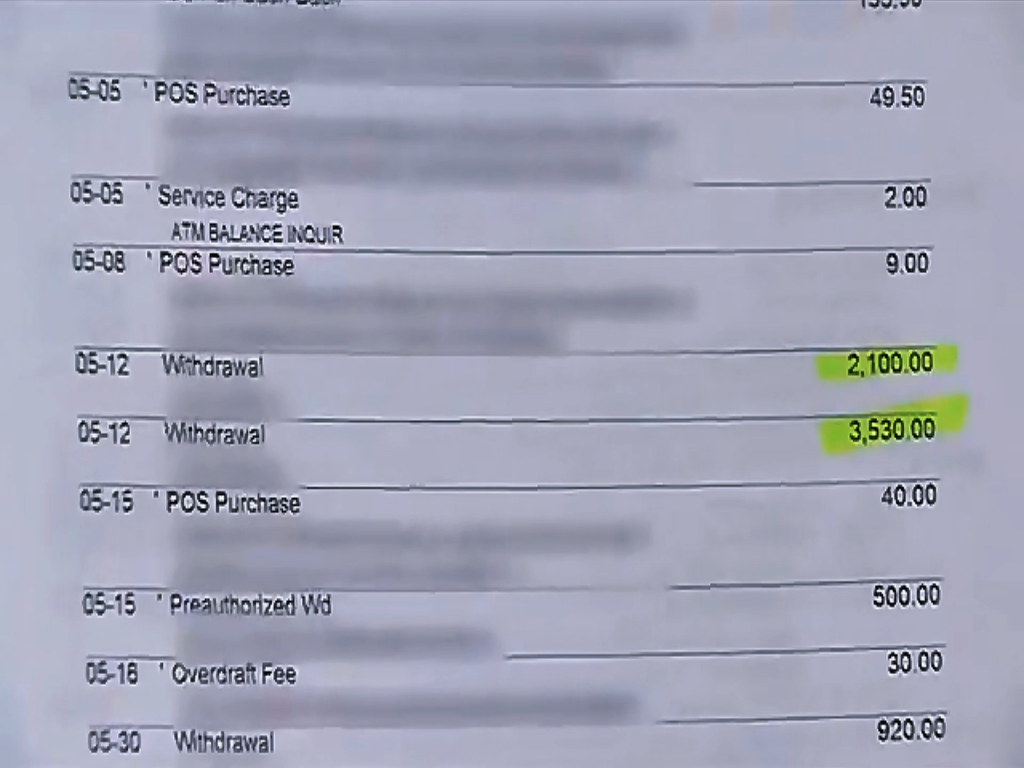
Wendy tried to explain withdrawals she had made and money connected with a 401(k). Judge Judy still refused to accept some of the supporting items.
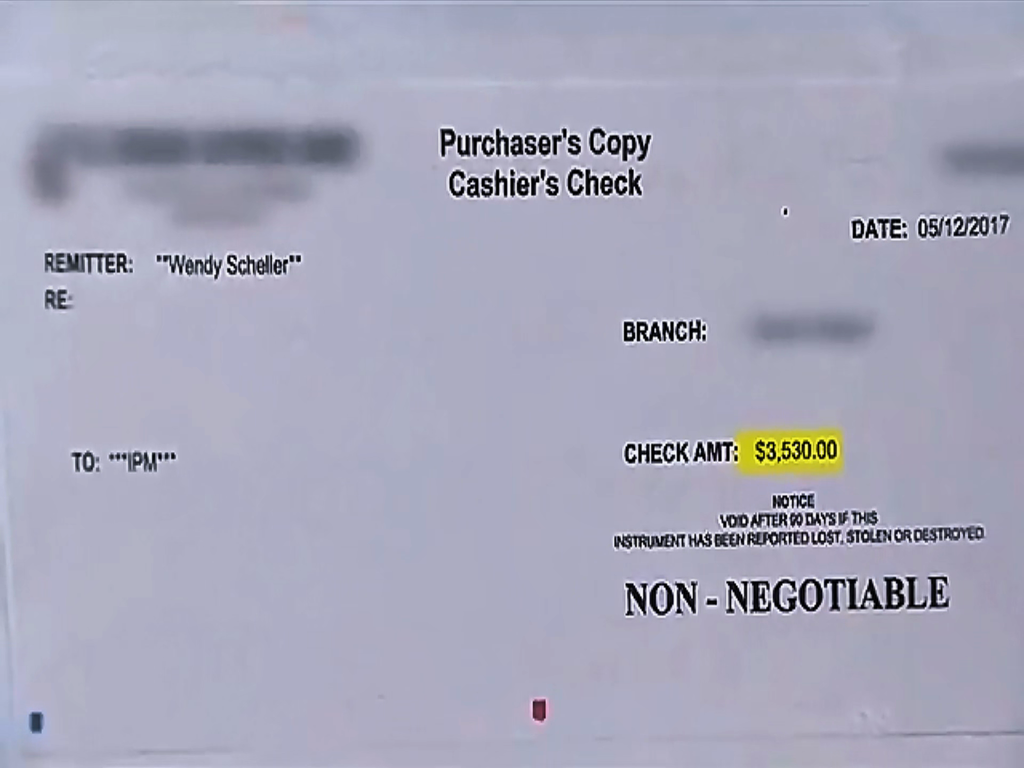
Then she reached one document that she considered reliable: a cashier’s check payable to IPM. Its amount was $3,530.
The $3,530 Cashier’s Check Changes the Case
Judge Judy accepted the $3,530 cashier’s check as proof of what Wendy had paid. Unlike the other records, this document gave the judge a clear and credible payment trail.
That amount became the financial basis of the ruling. Judge Judy told Bradley that he had to repay it.
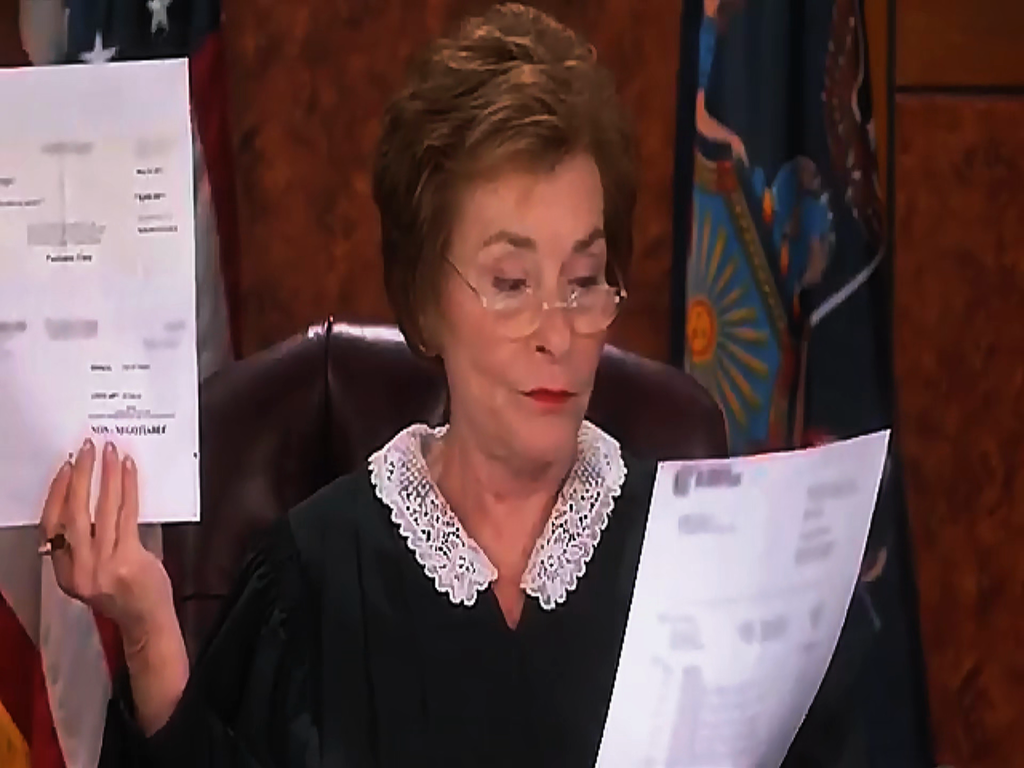
The difference between the two major figures in this case is important. The landlord’s notice listed $5,730 as the outstanding amount. Judge Judy did not simply award Wendy that entire figure. Instead, she relied on the $3,530 payment that Wendy proved with evidence the judge trusted.
The ruling therefore turned on documentation rather than the largest number presented in court.
Bradley’s Counterclaim Gets Dismissed
Bradley had also filed a counterclaim involving personal belongings that remained at the house. Judge Judy did not allow that claim to offset what had happened with the rent.
She dismissed the counterclaim and again criticized Bradley’s conduct. Judge Judy said she did not reward bad behavior and repeated her characterization of what he had done with the roommates’ money.
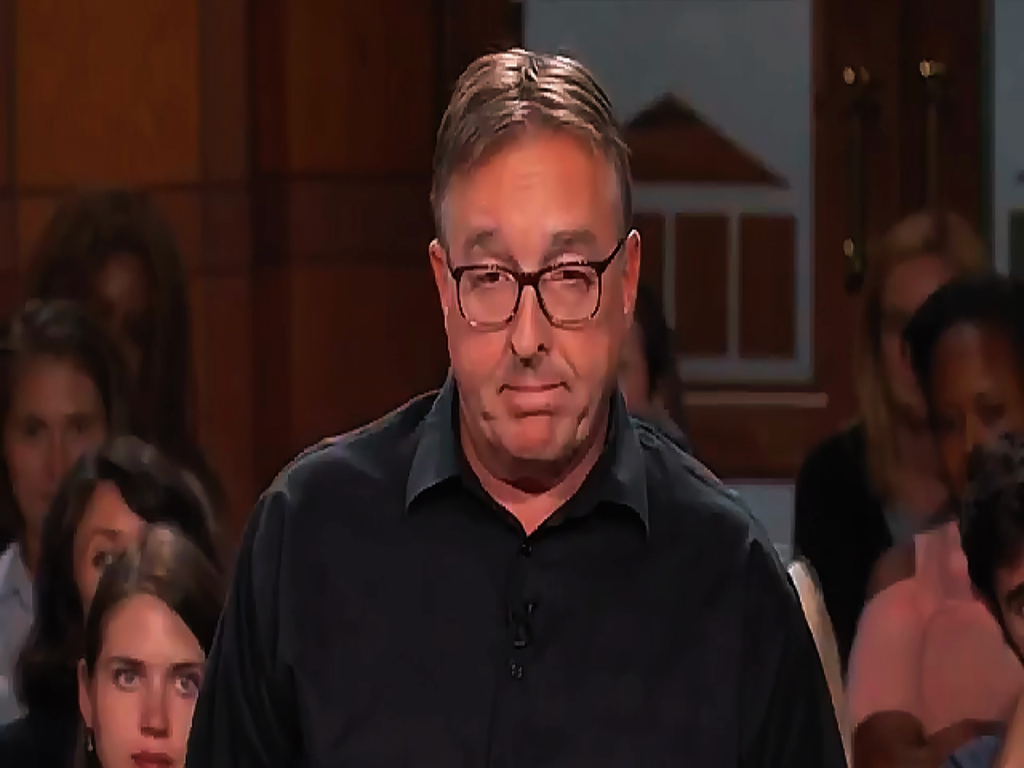
However, Bradley still had some property at the house. Wendy acknowledged that several items remained there, including boxes of clothing.
Judge Judy created a practical solution instead of awarding Bradley money.
Judge Judy Sets a Deadline for His Belongings
The house had a porch, so Judge Judy instructed Wendy to place Bradley’s remaining belongings there on a specific date. She selected the 15th of the month at 9:00 a.m.
Bradley could arrange for someone to collect the property. Judge Judy gave him a one-hour window. Wendy would leave the boxes on the porch from 9:00 until 10:00 that morning.
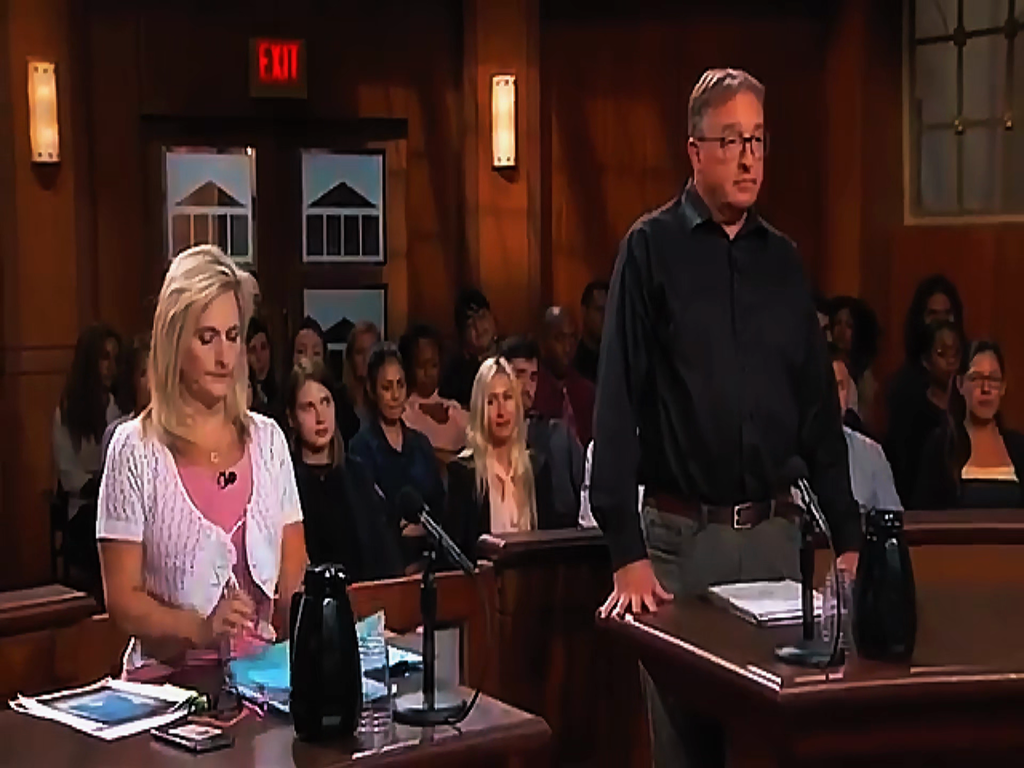
If nobody collected them within that hour, Wendy would no longer bear responsibility for the belongings. Judge Judy told Bradley that the items could then end up in the local garbage dump.
Bradley said he understood. With that arrangement in place, Judge Judy ended the case.
What Ultimately Decided the Case
The Judge Judy roommate rent dispute came down to two powerful pieces of evidence: Bradley’s own admissions and Wendy’s cashier’s check.
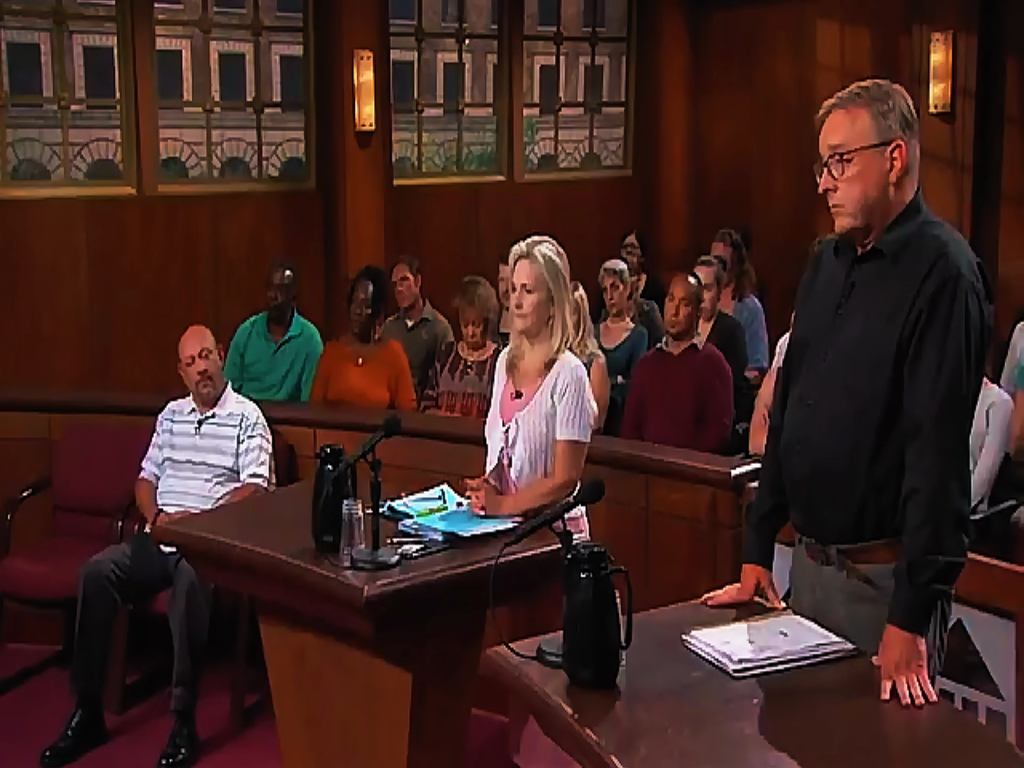
Bradley acknowledged receiving monthly rent money from Wendy and Anthony. He also admitted that he did not send those funds to the landlord during the disputed period. That testimony established what happened to the original payments.
Wendy still had to prove her loss. The $5,730 notice showed how much the landlord said was due, but Judge Judy demanded stronger evidence of Wendy’s actual payment. She rejected records that did not provide a reliable enough trail.

The $3,530 cashier’s check to IPM met that standard. Judge Judy accepted it and required Bradley to repay the amount.
The case showed a simple courtroom principle in action: an allegation may explain what happened, but reliable documentation can determine how much a plaintiff actually recovers.
(uc.)
FAQ
What was the Judge Judy roommate rent dispute about?
Wendy Sheller sued former roommate Bradley Bates after he accepted rent money from her and another roommate but failed to send it to the landlord. Wendy later paid money directly to address the unpaid rent and remain in the house.
How much rent did Wendy and Anthony give Bradley each month?
During the disputed arrangement, Wendy and Anthony each gave Bradley approximately $606.63 toward the monthly rent. Bradley normally obtained a cashier’s check and paid the landlord.
How many months did Bradley fail to pay the rent?
Bradley initially estimated four months but acknowledged that it could have been five. Wendy had documentation showing five months, which Judge Judy accepted during the discussion.
Did Bradley admit using the rent money?
Yes. When Judge Judy asked whether Wendy and Anthony had continued giving him their rent shares, Bradley said yes. He also acknowledged that he used the funds instead of paying them to the landlord.
Why does the case mention $5,730?
A three-day notice to quit showed $5,730 owing as of May 1. That figure represented the amount on the landlord’s notice. It was not the amount Judge Judy ultimately accepted as Wendy’s proven payment.
How much did Judge Judy accept as proven?
Judge Judy accepted a cashier’s check to IPM for $3,530. She said she believed Wendy had paid that amount and told Bradley that he had to repay it.
Did Judge Judy call Bradley Bates a thief?
During the hearing, Judge Judy repeatedly characterized Bradley’s conduct as theft and said he had stolen the roommates’ money. Those statements reflect the judge’s characterization during this civil case. The supplied transcript does not establish a separate criminal theft conviction.
What happened to Bradley’s counterclaim?
Judge Judy dismissed Bradley’s counterclaim concerning his belongings. However, she arranged for him to retrieve property that still remained at the house.
When could Bradley collect his belongings?
Judge Judy ordered Wendy to place the remaining boxes on the porch at 9:00 a.m. on the 15th. Bradley had one hour to arrange collection. After that period, Wendy would no longer bear responsibility for the items.
Sources
Judge Judy, the complete supplied subtitle transcript of the dispute between Wendy Sheller and Bradley Bates. The transcript establishes the roommates’ payment arrangement, Bradley’s admissions, the five-month period, the $5,730 notice, the $3,530 cashier’s check and the handling of Bradley’s belongings.